Airbnb Insurance in Canada: 2026 Host Guide

Airbnb Insurance in Canada: 2026 Host Guide

Airbnb insurance is the most widely misunderstood aspect of hosting in Canada. People think that because there is free coverage with every reservation, that is all that is needed. But the truth is that the Airbnb Insurance AirCover plan is meant to be a secondary layer, and some provinces and municipalities have a policy that you must have your own insurance before being able to conduct any business. This guide covers airbnb insurance for hosts across Canada: whether your current policy applies, what the platform leaves out, the rules in key provinces, what a good policy should include, and how to get covered without overpaying. Whether you self-manage or work with an Airbnb management company, getting your insurance right protects both your property and your income.
Airbnb Insurance in Canada 2026 Host Guide

Airbnb Home Insurance: Does Your Current Policy Cover Hosting?

However, most hosts who investigate airbnb home insurance soon find out that a typical home policy is meant for personal purposes and not for paying guests. According to the Insurance Bureau of Canada, most property policies are not designed to cover the risks associated with strangers being in the house when the homeowner is not there, and this is altered by listing a property on Airbnb.

It is not only the risks related to Airbnb that put one at risk of having a denied insurance claim. The insurer will deny any claims made after finding out that you have been hosting guests without disclosing it. Even an airbnb home insurance policy can have exclusions for business liability or damages from paying guests.

The fix is simple: call your insurer before you list. Ask whether your home insurance Airbnb activity is covered, excluded, or can be added through an endorsement, and get the answer in writing. If your property isn’t ready yet, work through a short-term rental prep checklist first, so your insurer quotes the home as it will actually be hosted.

AirCover Airbnb: What Hosts Get and What's Missing

AirCover Airbnb includes at no extra cost applies automatically to eligible bookings made through the platform. It has two main parts:

  • Host Liability Insurance: This responds if a guest or third party is injured or their property is damaged during a stay. Airbnb lists the limit as $1,000,000 USD per stay.
  • Host Damage Protection: This reimburses damage to your property and contents, with a stated limit of up to $3 million. Airbnb makes it explicitly clear that this is a protection plan and does not amount to insurance.

In relation to airbnb insurance, the extent of the cover is narrower compared to a full coverage plan. According to experts within the industry, AirCover does not cover any lost income and normal wear and tear. In addition, any bookings done from off the platform do not qualify for coverage under AirCover. The claims procedure is also done via Airbnb’s Resolution Center.

There is also a licensing problem. Airbnb states that its Host Liability Insurance does not satisfy Quebec’s minimum insurance requirement, and Calgary’s licence application says platform coverage is not accepted as a substitute for your own liability policy. Relying on airbnb coverage from the platform alone can therefore leave you uninsured in the ways that matter most.

Airbnb Insurance for Hosts: Requirements by Province

Airbnb insurance for hosts is mandatory in some parts of Canada, and the details vary by province and city. These are the key rules to know.

  • Quebec: Anyone offering tourist accommodation for 31 days or less needs a registration number from the CITQ. Operators must hold civil liability insurance of at least $2,000,000 CAD per claim covering bodily injury and property damage, and proof is part of the registration. Penalties for illegal rentals can exceed $50,000.
  • Alberta (Calgary): A short-term rental business licence requires proof of home-sharing liability insurance. The licence holder must be the policyholder, the insurer must be registered in Alberta, and the minimum liability is $2 million.
  • Ontario: Many municipalities that license short-term rentals require liability insurance that names short-term rental use. A $2 million limit is common across the Greater Toronto Area, but amounts differ by city, so confirm with your licensing office.
  • British Columbia: Provincial rules introduced in May 2024 include a principal-residence requirement. Insurance requirements are often set at the municipal level, so check your city before you buy a policy.

Rules change often. Always confirm current requirements directly with your municipality or provincial tourism authority before you apply.

Airbnb Insurance Coverage: What Your Policy Should Include

A strong airbnb insurance coverage plan goes beyond the basics. When you compare policies, look for these protections:

  • General liability: Covers injury and third-party property damage claims, including legal defence costs. A $2 million limit is the common benchmark.
  • Property and contents: Covers your building, furniture and belongings against damage, theft and vandalism.
  • Loss of rental income: Replaces booking revenue if a covered event makes the property unrentable.
  • Condo-specific protection: Condo owners should look for loss assessment coverage, which helps if the condo corporation passes a master-policy deductible on to you, and check the condo’s rules before hosting.
  • Optional extras: Many Airbnb short-term rental insurance policies also add infestation, liquor liability and equipment breakdown.

Always read the exclusions. A policy that does not mention short-term rental or home-sharing use by name may not satisfy your city. Compliance details such as what Toronto owners need to stay legal in 2026 are worth checking alongside your policy wording. 

Airbnb Short-Term Rental Insurance: Options and Costs

There is no single way to buy Airbnb short-term rental insurance in Canada. The main routes are:

  • Endorsement on your home policy: Wawanesa offers a short-term rental endorsement, and Aviva sells coverage as an add-on or standalone policy. This is often the simplest option if you want to keep one insurer.
  • Standalone short-term rental policy: Specialist providers such as APRIL Canada offer policies built around hosting.
  • Pay-per-night coverage: Duuo, from The Co-operators, is bought only for the nights guests are booked, which suits part-time hosts.
  • Regional providers: BCAA provides optional short-term rental insurance for hosts in BC.

The price will vary based on where you live, the value of the property and contents, and how often you rent out the space. One Canadian insurance comparison website estimates the cost of short-term rental insurance to be between $30 and $50 per month, but take that number with a grain of salt and get quotes based on your situation. As a general guideline, it’s cheaper for part-time hosts to get insurance per night and for full-time hosts to have an annual plan. 

Reduce Risk Before It Becomes a Claim: The Stayfinity Approach

Insurance is your safety net, and good management reduces how often you need it. Stayfinity is a full-service short-term rental management company serving owners across Ontario and Alberta, built around performance, transparency and consistency. For owners, that shows up in practical ways:

  • Local regulation know-how: We know the rules in the markets we manage and provide short-term rental licensing guidance, so you understand what your city requires before you list.
  • Secure guest screening: Verified guests and reservation security help keep your property in good hands.
  • Hotel-quality cleaning and maintenance: Consistent turnovers and upkeep help catch small issues before they grow.
  • Full transparency: A dedicated owner dashboard lets you track bookings, earnings and performance anytime.

The insurance policy itself still comes from a licensed insurer or broker, so use this guide to ask them the right questions.

Protect Your Airbnb with the Right Insurance Coverage in Canada

The right airbnb insurance for hosts pairs AirCover with a policy you own, and the right management partner keeps your property earning while you stay compliant. If you own a property in Ontario or Alberta and want to earn more with less stress, request a free, no-obligation property consultation. We’ll give you a data-driven rental income estimate and guide you through licensing and setup.

Request a Free Property Consultation or call +1 (647) 691 3272.

Note: This article is for general information only and is not legal or insurance advice. Rules and policy terms change, so confirm details with your insurer and municipality.

Airbnb Insurance in Canada: Frequently Asked Questions

Is AirCover Airbnb coverage enough for Canadian hosts?

AirCover is a helpful free backup for Canadian hosts, but it isn’t enough on its own. Its liability cover is capped at $1,000,000 USD per stay, and damage protection isn’t insurance; it excludes lost income and wear and tear. It also won’t satisfy licensing rules in Quebec and Calgary, so you still need your own policy. 

Airbnb’s protection has two parts: Host Liability Insurance with a $1,000,000 USD limit per stay, and Host Damage Protection of up to $3 million for guest-caused damage. A dedicated policy usually adds cover for your building and contents, loss of rental income, and liability limits that meet your city’s licensing rules.

Airbnb home insurance exists through some Canadian insurers, but a standard home policy often excludes paying guests. Wawanesa and Aviva offer short-term rental endorsements or add-ons. Hosting without telling your insurer risks a denied claim or non-renewal, so ask before you list and get the answer in writing.

Airbnb short-term rental insurance costs vary with location, property value and how often you host, though one Canadian comparison site cites roughly $30 to $50 per month as typical. Pay-per-night policies charge only for booked nights and suit part-time hosts, while annual policies usually cost less for full-time hosts. Request two or three quotes for your real number.

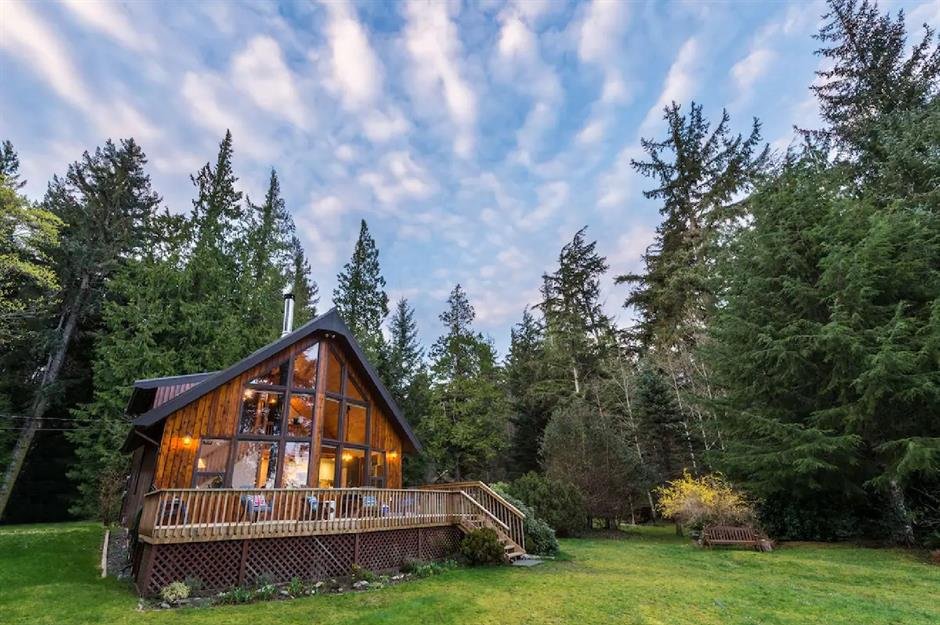
Occasional hosting still needs insurance, because a claim can be denied if your insurer wasn’t told about the rental, however few nights you host. Licensing rules usually apply regardless of frequency, and pay-per-night cover keeps costs low. Stayfinity manages cottages and vacation rentals across Ontario and Alberta, where cover should be in place before the first guest.

Condo hosts often need extra coverage, because a condo’s master policy generally covers the building and common areas, not your unit’s contents or personal liability. Look for loss assessment coverage for deductibles passed on to owners, liability that names short-term rental use, and cover for claims from the condo corporation. Check your condo’s rules first.

What happens if I host without proper insurance?

Hosting without proper insurance risks a denied claim, a cancelled or non-renewed home policy, and personal responsibility for guest injuries or damage. In regulated areas you may lose your licence, and Quebec fines can exceed $50,000. Stayfinity’s guest screening, professional cleaning and owner dashboard help owners reduce risk, though they don’t replace insurance 
5 Best Airbnb Alternatives for Hosts in Canada

5 Best Airbnb Alternatives for Hosts in Canada

Airbnb now takes 15.5% from most Canadian hosts, and on October 29, Vrbo moves most hosts to a single 12% commission. Fees are changing on both platforms, and a lot of hosts are asking whether one channel is still enough.

Managing multiple channels brings in more bookings, but it also means handling extra calendars and guest messages; a balance many owners navigate on their own or with professional Airbnb management services. 

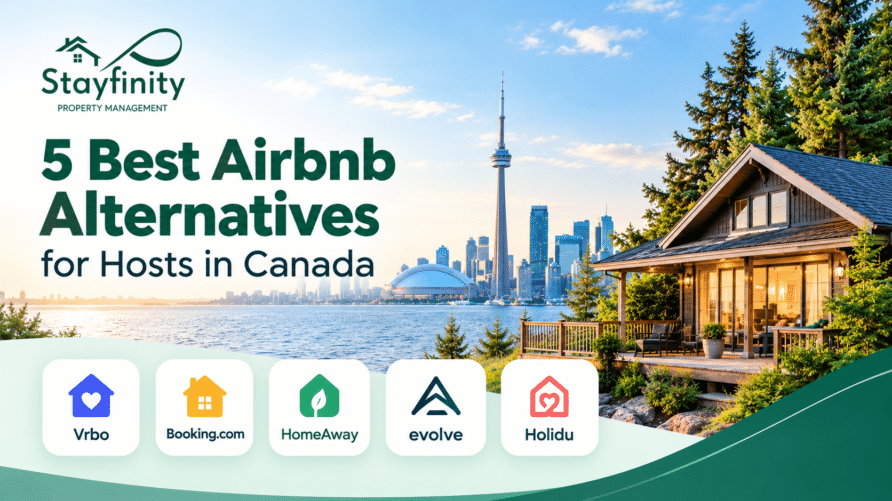
This guide compares the main Airbnb alternatives Canada hosts can use alongside Airbnb or instead of it. It covers what each platform costs and which guests and properties it suits. It also explains what stays the same when you add a channel. Local registration, licensing and tax rules follow your property, so they apply on Airbnb and similar sites alike.

Fee figures reflect published rates as of October 20, 2026. Confirm your own rate in each host dashboard before you decide.

The 5 Best Alternative Airbnb Sites for Canadian Hosts

Each platform below reaches a different kind of guest. Fees are compared side by side in the table further down.

5 Best Airbnb Alternatives for Hosts in Canada- Stayfinity

1. Vrbo

Vrbo lists entire homes only. That draws families and groups who want space, which suits cottages and larger family homes well. It does not accept private rooms or shared spaces. If you own a vacation property in cottage country, applying effective seasonal hosting strategies in Muskoka alongside Vrbo can help keep your bookings steady year-round. 

The fee is changing. On October 29, Vrbo moves most hosts to a flat 12% commission that includes payment processing. Most pay-per-booking hosts pay about 8% today. Expedia Group’s announcement says the rate can run from 12% to 15% by region, and hosts on an annual subscription switch when their term ends.

Best For:

Cottages, family homes and any whole-home listing aimed at groups.

2. Booking.com

Booking.com started off as a hotel booking website and currently offers vacation rental and apartment listings. Booking.com attracts many international customers who never bother to visit Airbnb and hence gets you more customers in busy tourist areas.

Commissions range between 10% and 25%, averaging around 15% globally. Commissions are charged even on extra charges like cleaning fees charged during booking. Service charge is not separately charged to the guest.

The company combines listing optimization with revenue management to help property owners operate more efficiently across multiple rental properties.

Best For:

Urban apartments and holiday homes looking for international customers.

3. A Direct Booking Website: The Lowest-Fee Airbnb Alternative Canada Hosts Can Own

A direct booking site is your own page where guests book and pay you. There is no marketplace commission. You pay payment processing, which runs around 3%. You also keep the guest contact details, so a repeat stay costs you nothing to win.

The catch is traffic. Nobody finds your site unless you send them there. Most hosts use a marketplace to find first-time guests, then invite returning guests to book direct.

Best For:

Hosts with repeat guests, a local following or several properties.

4. Mid-Term Rental Platforms: An Airbnb Alternative Canada Hosts Overlook

Mid-term platforms place guests for a month or longer. Flatio markets itself to Canadian owners as a mid-term and long-term alternative to Airbnb and similar sites. Longer stays usually bring a lower nightly rate, but you turn the property over far less often.

Check your local rules first. In Toronto, short-term rental rules apply to stays under 28 consecutive days. Confirm how your own municipality defines a short-term rental, and whether tenancy rules apply to a longer stay, before you switch.

Best For:

Hosts in markets with tight licensing, or owners with an off-season gap to fill.

5. Niche and Canada-Focused Platforms

The specialty site connects with those guests who look for a specific type of accommodation.

Hipcamp provides listings for outdoor accommodations like cabins and glamping tents and has listings in all Canadian provinces. The listing is free, and Hipcamp gets a commission from you only when you make a booking. The hosts have to abide by the local bylaws, and some municipalities prohibit camping on private property.

Homestay is ideal for those hosts who rent out a room in the house they are living in. Plum Guide accepts only a few applications; hence there aren’t many properties listed here, but the guest pays high prices.

Best For:

Off-grid cabins, farm stays, shared-home hosts, and design-led homes.

Why Canadian Hosts Are Looking Beyond Airbnb?

Three pressures push hosts to look at Airbnb alternatives for hosts.

Fees: Airbnb’s single host-only fee is 15.5% for most hosts. On a $1,000 stay, that is $155 off the top. Across the big platforms, commissions now sit between roughly 12% and 15.5%. A direct booking is the one channel where the cost drops to payment processing. Understanding these commission structures is essential when focusing on maximizing Airbnb income in Toronto and ensuring your multi-channel pricing strategy remains profitable. 

One channel, one set of rules: A host who earns everything on Airbnb depends on one search ranking, one fee schedule and one policy team. A ranking drop or a suspended listing hits all of your income at once.

Registration mismatches: Cities with short-term rental regulations require that all the information about you matches in all listings. In Toronto, for example, the registration number should show up in all advertisements. The booking platform has to confirm the number and maintain records of the removed listings. A listing with an incorrect or missing number can be taken down. Each additional channel is another listing to keep updated.

Airbnb Alternatives Canada: How Fees Compare

Vrbo’s October 29 change puts the big platforms within a few points of each other. Rates below are published figures as of October 20, 2026, and your own rate may differ.

Platform

Host fee

Guest fee

Property type

Best for

Airbnb

15.5% host-only fee for most hosts

None shown separately

Entire homes, private rooms

All guest types

Vrbo

12% flat from Oct 29 (12% to 15% by region)

Traveller service fee applies

Entire homes only

Families and groups

Booking.com

10% to 25%, average about 15%

Generally none

Homes and apartments

International travellers

Direct booking site

Payment processing, about 3%

None

Any

Repeat guests

Hipcamp

Commission on bookings only, rate shown on payout statement

Varies

Outdoor stays

Cabins and glamping

When you compare alternative Airbnb sites, look at the net payout and not only the headline rate. A 12% commission on a $1,000 stay costs $120, against $155 at Airbnb’s 15.5%. Vrbo guests may also pay a service fee, which can affect how competitive your price looks.

Google Vacation Rentals is not a booking site. It shows your listing in Google Search and Maps and sends the guest to a partner site to book. Google does not charge hosts to display a listing, but individual hosts need an approved software partner to appear.

Do the Rules Change on Airbnb and Similar Sites?

No. Registration, licensing and tax rules follow your property, not the platform you list on.

In Toronto, a registration number issued by the City needs to be included in all advertisements. A 6% Municipal Accommodation Tax on accommodations is collected from guests, while the temporary 8.5% expired on August 1, 2026. Airbnb reports rental nights to the City. For the other platforms, please check if the accommodation tax is collected from the site itself.

Regulation, licensing, and taxes go with your property, not the platform where you list.

Other Ontario markets set their own terms. Niagara Falls short-term rental rules rely on a licensing system, and the Muskoka short-term rental rules carry their own permit and safety requirements.

Check your municipality’s rules before you add a new channel, and make sure each new listing carries the right details.

How to Run Several Platforms Without Double Bookings?

Double bookings happen when two calendars disagree. Most Airbnb alternatives Canada hosts try work best when every channel reads from one shared calendar.

There are two ways to build it. iCal links copy bookings between platforms, but they refresh on a schedule, often about once an hour. A guest can book the same night in that gap. A channel manager updates availability and rates across channels almost at once and puts all guest messages in one inbox.

How much you need depends on the size of your portfolio:

  1. One or two properties: Airbnb plus one marketplace, such as Vrbo or Booking.com, synced with iCal.
  2. Three to five properties: a channel manager, plus a direct booking site for returning guests.
  3. Six or more: a channel manager, a direct site, and a written routine for registration numbers and tax filings on every listing.

Whatever the size, copy your registration number onto each new listing the day you create it.

Choosing Among Airbnb Alternatives for Hosts: Manage Every Channel with Stayfinity

The right mix of channels depends on your property, your guests and how much time you want to spend. Adding Vrbo, Booking.com or a direct booking site can spread risk and protect your income. Each new channel also adds calendars, messages and compliance details to keep correct.

Stayfinity handles that work for owners across Ontario and Alberta. We list your property on Airbnb, Vrbo, Booking.com and Google Travel, keep calendars in sync, and help with short-term rental licensing so your registration details stay consistent on every listing. See how our Airbnb management services work, or read about Airbnb property management in Toronto.

Want to know what your property could earn across more channels? Request a free property consultation, and we will give you a data-driven income estimate.

Frequently Asked Questions About Airbnb Alternatives for Hosts

What are the best Airbnb alternatives for hosts in Canada?

The following are some of the top Airbnb alternatives for monthly or mid-term rental options: platforms that are designed to facilitate stays of at least 28 days, like Flatio, which is targeted towards Canadians. Both Airbnb and Vrbo will allow a longer stay on the condition that you have monthly rates in place. It is important to know how your city classifies a short-term rental.

Vrbo is better than Airbnb for some Canadian owners, mainly those renting entire homes to families and groups. Vrbo lists whole properties only, and its commission moves to a flat 12% on October 29, compared with Airbnb’s 15.5% host fee. Airbnb still reaches more guest types, so many owners list on both.

The site Booking.com fits perfectly for Canadian hosts who wish to accommodate international travellers, especially in highly competitive tourist destinations. The commission is 10% to 25%, with an average close to 15%. It also takes commissions from things like the cleaning fee. The host is able to attract people who may not even log into Airbnb.

Hosts can receive more direct bookings from creating their own booking website and requesting former guests to utilize the website. Collect guests’ emails upon their permission and provide guests with small incentives for making a reservation using the website after confirming platform-specific policies regarding contacting guests. The website can be added to Google Vacation Rentals through approved software partners.

You can list your vacation rental on both Airbnb and other websites at once, provided all calendars are synchronized. The Stayfinity website lists its properties on both Airbnb, Vrbo, Booking.com, and Google Travel, and synchronizes all calendars, which ensures there are no double bookings. Of course, each listing will have your local registration number.

The best Airbnb alternatives for monthly or mid-term rentals are platforms built for stays of 28 days or longer, such as Flatio, which markets itself to Canadian owners. Airbnb and Vrbo also accept long bookings if you set monthly pricing. Confirm how your municipality defines a short-term rental first, because Toronto’s rules apply to stays under 28 consecutive days.

Toronto hosts need the City-issued registration number on every advertisement, whatever platform the listing is on. Licensed platforms must verify the number, and a missing or wrong one can get a listing removed. If you want help keeping registration details consistent across channels, contact us for guidance.

Alternative Airbnb sites can be cheaper, depending on the platform. From October 29, Vrbo’s flat 12% commission is lower than Airbnb’s 15.5% for most hosts, though Vrbo guests may pay a service fee. Booking.com averages about 15%. A direct booking site costs the least at around 3% for payment processing, but you must bring your own traffic.

How Seasonality Affects Airbnb Revenue (And How Stayfinity Solves It)

How Seasonality Affects Airbnb Revenue (And How Stayfinity Solves It)

Seasonality is one of the most misunderstood—and most expensive—factors affecting Airbnb revenue. Many property owners assume slow seasons are unavoidable. In reality, poor seasonal strategy, not demand, is what causes revenue drops.

At Stayfinity, we treat seasonality as a revenue lever, not a limitation.

This guide explains:

  • How seasonality actually impacts Airbnb performance

  • Why most hosts lose money during off-peak periods

  • How professional Airbnb management turns low seasons into profit opportunities

What Is Seasonality in Airbnb Hosting?

Seasonality refers to predictable fluctuations in demand, pricing, and occupancy based on:

  • Weather patterns

  • Tourism cycles

  • Events and festivals

  • School holidays

  • Corporate travel trends

  • Local regulations

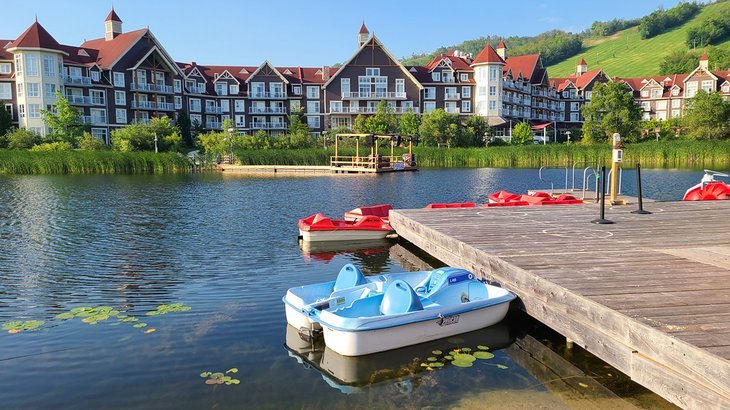
Every market—Toronto, Niagara Falls, Muskoka, Blue Mountain—has multiple micro-seasons, not just “busy” and “slow.”

❌ The biggest mistake hosts make:
Using static pricing year-round.

How Seasonality Directly Impacts Airbnb Revenue

1. Occupancy Rate Volatility

During peak seasons, poorly managed listings still book.
During off-peak seasons, only optimized listings survive.

Without professional management:

  • Listings fall in Airbnb search rankings

  • Booking gaps increase

  • Fixed costs stay the same

  • Cash flow becomes unstable


2. Pricing Inefficiency

Most hosts either:

  • Overprice during slow seasons → empty calendars

  • Underprice during peak seasons → lost revenue

Both destroy annual profitability.

Seasonal pricing is not about lowering rates—it’s about strategic rate positioning based on demand elasticity.


3. Algorithmic Visibility Loss

Airbnb’s algorithm favors listings that:

  • Maintain consistent booking velocity

  • Receive frequent 5-star reviews

  • Avoid calendar gaps

Poor seasonal strategy causes:

  • Lower ranking

  • Fewer impressions

  • Long-term revenue suppression

This effect compounds over time.


4. Higher Cancellation & Review Risk

In slow seasons, guests are:

  • More price-sensitive

  • More review-critical

  • More likely to cancel

Without professional guest management, off-season reviews can permanently damage peak-season earnings.

Seasonal Revenue Patterns by Market (Examples)

Toronto

  • Strong spring and summer tourism

  • Fall corporate travel spike

  • Winter leisure slowdown (except holidays & events)

Niagara Falls

  • Peak: Late spring to early fall

  • Off-season still viable with experience-driven positioning

Muskoka

  • Highly seasonal but premium demand exists year-round with correct targeting, especially when owners follow a seasonal hosting strategy for Muskoka cottages that adjusts amenities and pricing as demand shifts from summer boating to winter ski trips.

Blue Mountain

  • Dual-peak market (winter sports + summer travel)

  • Requires advanced demand forecasting

👉 Each market requires a different seasonal strategy.

Why Most Airbnb Hosts Lose Money During Off-Peak Seasons

  1. Flat nightly rates

  2. No demand forecasting

  3. No mid-stay or monthly optimization

  4. Poor listing refresh timing

  5. Lack of corporate, relocation, or extended-stay targeting

  6. No review velocity strategy

DIY hosting fails not because demand disappears—but because strategy does.

How Stayfinity Solves Seasonality (Our Proven System)

1. Dynamic Pricing Powered by Market Intelligence

Stayfinity uses:

  • Real-time demand data

  • Event-based pricing

  • Competitor benchmarking

  • Length-of-stay optimization

We adjust pricing daily, not seasonally.

✔ Maximize peak revenue
✔ Stabilize off-peak cash flow


2. Season-Specific Listing Optimization

Listings are not static.

We update:

  • Titles

  • Descriptions

  • Photos

  • Amenities positioning

Based on:

  • Seasonal guest intent

  • Search behavior shifts

  • Market competition

This keeps listings algorithmically fresh.


3. Off-Season Demand Repositioning

During slower periods, we pivot toward:

  • Corporate stays

  • Insurance placements

  • Medical travel

  • Relocations

  • Extended stays

This reduces vacancy without discounting.


4. Review Velocity Protection

Stayfinity actively manages:

  • Guest expectations

  • Communication timing

  • Service recovery

  • Review prompts

Even in low season, listings gain positive momentum, protecting peak-season rankings.


5. Multi-Season Revenue Planning (Not Monthly Guesswork)

We plan revenue:

  • Quarterly

  • Annually

  • By micro-season

This allows owners to:

  • Predict cash flow

  • Plan expenses

  • Scale portfolios confidently

The Result: Seasonality Becomes a Competitive Advantage

  • With Stayfinity:

    • Peak seasons are fully capitalized

    • Off-seasons remain profitable

    • Rankings stay high year-round

    • Revenue becomes predictable

    Most hosts react to seasonality.
    We engineer around it.

Why Professional Airbnb Management Matters More During Slow Seasons

Anyone can make money when demand is high.

The real difference between:

  • A hobby host

  • A professional operator

Is how revenue performs when demand drops.

Stayfinity exists to ensure your property never relies on luck or peak months.


Request a complimentary compliance and income review today.

Reach out to Stayfinity Team to learn more:

Website: www.stayfinity.co

Email: info@stayfinity.net

Call/Text/Whatsapp: +1 647-691-3272

“I’ve been working with Stayfinity and team for a couple years! Excellent company and a breeze to deal with. They have managed my property very well and handled any and all issues for me. Highly recommend their property management services. Don’t hesitate to use them..”
– Aaron, Homeowner

“Excellent team to work with, great professionals, prompt and helpful in managing the property issues”
– Ravinder, Investor

Is Airbnb Legal in Toronto? A 2026 Compliance Guide for Property Owners

Is Airbnb Legal in Toronto? A 2026 Compliance Guide for Property Owners

Short-term rentals continue to attract Toronto homeowners looking to increase rental income, but operating an Airbnb in the city is governed by strict municipal regulations. For property owners, understanding these rules is not optional—it is the foundation of a sustainable and profitable short-term rental strategy.

This 2026 compliance-focused guide explains how Airbnb legality works in Toronto, what property owners must do to remain compliant, and how a professional Airbnb management company like Stayfinity helps owners operate legally while maximizing returns.

Is Airbnb Allowed in Toronto in 2026?

Yes, Airbnb is permitted in Toronto—but only under clearly defined conditions.

The City of Toronto allows short-term rentals exclusively within a host’s principal residence. Properties that do not meet this requirement are not legally eligible for Airbnb or other short-term rental platforms.

Toronto actively enforces these regulations, and non-compliance can lead to fines, delisting, and long-term restrictions.

Understanding Toronto’s Principal Residence Rule

To legally operate a short-term rental in Toronto, the property must qualify as your principal residence.

This means:

  • You live at the property for most of the calendar year

  • The address appears on official documentation such as ID, tax records, or utility bills

  • The property is not used solely as an investment or secondary residence

What Typically Qualifies

  • A condo or house you primarily live in

  • A basement apartment or secondary unit within your main home

  • A portion of your residence rented while you remain on-site

What Does Not Qualify

  • Standalone investment properties

  • Multiple Airbnb listings under one owner

  • Vacant properties or short-term-only units

Short-Term Rental Registration Requirements in Toronto

All Airbnb hosts in Toronto must register with the city and renew their registration annually.

Registration Includes:

  • Proof of principal residence status

  • Government-issued identification

  • Payment of the city’s registration fee

  • Accurate host contact information

Once approved, the city issues a Short-Term Rental Registration Number, which must be clearly displayed on:

  • Airbnb listings

  • Any digital or promotional rental advertising

Listings without valid registration numbers are subject to removal.


Rental Night Limits and Operating Rules

Toronto’s bylaws distinguish between renting part of your home and renting the entire residence.

  • Partial-home rentals: No annual night limit

  • Entire-home rentals: Maximum of 180 nights per year

Additional compliance requirements include:

  • Adhering to noise, waste, and nuisance bylaws

  • Meeting property safety and maintenance standards

  • Complying with condo board or HOA regulations where applicable


Penalties for Violating Toronto Airbnb Bylaws

The City of Toronto maintains an active enforcement program for short-term rentals.

Property owners who fail to comply may face:

  • Financial penalties of up to $100,000 per violation

  • Immediate listing suspension or removal

  • Loss of registration eligibility

  • Legal proceedings for repeat or serious offences

Many violations occur due to misunderstanding the rules or relying on outdated information — the same kind of oversight behind some of the most common short-term rental hosting mistakes that new hosts make before they even list their first property.

How Stayfinity's Airbnb Management Helps Toronto Property Owners Stay Compliant

Managing Airbnb compliance in Toronto requires constant attention to regulatory details. Stayfinity, a professional Airbnb management company, supports property owners by ensuring their short-term rentals operate within legal boundaries.

Our compliance-focused services include:

  • Registration setup and annual renewals

  • Principal residence documentation support

  • Accurate and compliant listing creation

  • Guest screening and noise monitoring

  • Coordination with condo boards and city requirements

This approach reduces risk while allowing owners to benefit from short-term rental income.

Is Airbnb Still Profitable for Toronto Property Owners?

Yes—when structured correctly.

Compliant, professionally managed Airbnbs often outperform traditional rentals due to:

  • Market-driven pricing strategies

  • Higher-quality listings and visibility

  • Strong guest satisfaction and repeat bookings

  • Reduced operational and legal risk

The key to success is aligning legal compliance with professional management expertise.

Key Takeaways for Toronto Property Owners

  • Airbnb remains a viable income strategy in Toronto for homeowners who meet principal residence requirements and follow city regulations. Understanding the rules, registering correctly, and maintaining compliance are essential to protecting your investment.

    For property owners seeking a hands-off, legally compliant Airbnb solution, professional management provides clarity, protection, and performance.

Considering Airbnb management in Toronto?

Stayfinity helps property owners navigate regulations, optimize revenue, and operate with confidence.

Request a complimentary compliance and income review today.

Reach out to Stayfinity Team to learn more:

Website: www.stayfinity.co

Email: info@stayfinity.net

Call/Text/Whatsapp: +1 647-691-3272

“I’ve been working with Stayfinity and team for a couple years! Excellent company and a breeze to deal with. They have managed my property very well and handled any and all issues for me. Highly recommend their property management services. Don’t hesitate to use them..”
– Aaron, Homeowner

“Excellent team to work with, great professionals, prompt and helpful in managing the property issues”
– Ravinder, Investor

Self-Managing vs Hiring an Airbnb Property Manager in Windsor: What’s Worth It?

Self-Managing vs Hiring an Airbnb Property Manager in Windsor: What’s Worth It?

Windsor, Ontario has quietly become a strong short-term rental market thanks to its proximity to Detroit, steady corporate travel, healthcare demand, and year-round events. As more homeowners list their properties on Airbnb, one key question keeps coming up:

Should you self-manage your Airbnb in Windsor, or hire a professional Airbnb property manager?

This guide breaks down the true costs, time commitment, revenue potential, and risks of both options—so you can make an informed decision based on your goals.

What Does Self-Managing an Airbnb in Windsor Involve?

Self-managing means handling every operational detail yourself. While it may appear cost-effective at first, the workload adds up quickly.

Key responsibilities include:

  • Responding to guest messages 24/7

  • Managing bookings, cancellations, and check-ins

  • Setting competitive nightly rates for Windsor’s market

  • Coordinating cleanings and restocking supplies

  • Handling maintenance issues and emergencies

  • Ensuring compliance with Windsor’s short-term rental bylaws

Many first-time hosts underestimate the time sensitivity of Airbnb. Delayed responses, pricing errors, or inconsistent cleaning can lead to poor reviews and reduced visibility on the platform.

Pros and Cons of Self-Managing Your Airbnb

Pros:

  • No management fees

  • Full control over guest selection and pricing

  • Direct hands-on involvement

Cons:

  • Time-intensive, especially for working professionals

  • Higher risk of negative reviews

  • Missed revenue due to improper pricing

  • Stress during guest issues and emergencies

  • Limited scalability if you own multiple properties

Self-management may work for homeowners living nearby with flexible schedules—but it becomes challenging as demand increases.

What Does a Professional Airbnb Property Manager in Windsor Do?

A professional Airbnb management company handles end-to-end operations while focusing on maximizing your rental income.

Typical services include:

  • Professional listing creation and SEO-optimized descriptions

  • Dynamic pricing based on Windsor demand and seasonality

  • 24/7 guest communication and screening

  • Cleaning coordination and quality control

  • Maintenance and emergency handling

  • Review management and reputation building

  • Compliance guidance for Windsor short-term rental rules

Instead of reacting to issues, professional managers operate proactively to protect both revenue and property condition.

Airbnb property management Windsor

Pros and Cons of Hiring an Airbnb Property Manager

Pros:

  • Higher occupancy and nightly rates

  • Professional guest experience and 5-star reviews

  • No day-to-day involvement required

  • Reduced risk of costly mistakes

  • Scalable for multiple properties

Cons:

  • Management fee (typically a percentage of revenue)

  • Less direct control over daily operations

For many Windsor hosts, the increase in earnings outweighs the management cost.

Income Comparison: Self-Managed vs Professionally Managed Airbnb in Windsor

While exact numbers vary by property and location, professionally managed Airbnbs in Windsor often generate 20–40% higher net revenue due to:

  • Optimized pricing strategies

  • Faster response times

  • Better reviews and higher search ranking

  • Fewer vacancy gaps

Self-managed listings commonly underperform due to static pricing and slower guest handling—especially during peak seasons and local events.

Which Option Is Right for You?

  • Self-management may suit you if:

    • You live close to the property

    • You have significant free time

    • You enjoy hospitality and operations

    Professional management is ideal if:

    • You want passive income

    • You live out of town

    • You own multiple properties

    • You want to maximize revenue with minimal effort

Final Verdict: Is Hiring an Airbnb Property Manager in Windsor Worth It?

For most Windsor homeowners, professional Airbnb management is a strategic investment, not an expense. It reduces stress, protects your asset, and unlocks higher earning potential—without sacrificing your time.

If your goal is consistent income, strong reviews, and hands-off ownership, hiring a local Airbnb property manager in Windsor, Ontario is often the smarter long-term choice.

Looking for Airbnb Management in Windsor?

If you’re considering professional Airbnb management in Windsor and want to know how much your property could earn, Stayfinity can provide a data-backed income estimate and handle everything from setup to guest check-out. 

Reach out to Stayfinity Team to learn more:

Website: www.stayfinity.co

Email: info@stayfinity.net

Phone/Text/Whatsapp: +1 647-691-3272

“I’ve been working with Stayfinity and team for a couple years! Excellent company and a breeze to deal with. They have managed my property very well and handled any and all issues for me. Highly recommend their property management services. Don’t hesitate to use them..”
– Aaron, Homeowner

“Excellent team to work with, great professionals, prompt and helpful in managing the property issues”
– Ravinder, Investor

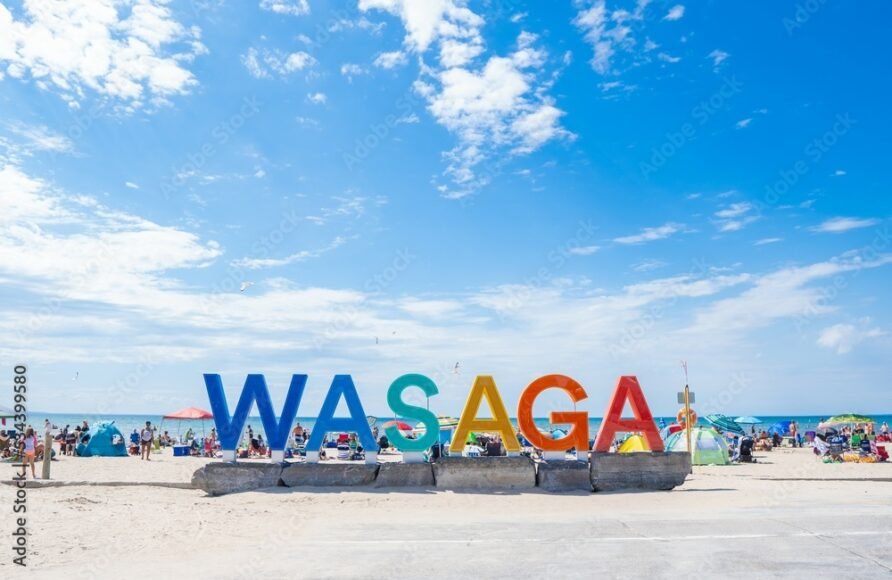
Wasaga Beach Airbnb Rules & Licensing: What Property Owners Must Know

Wasaga Beach Airbnb Rules & Licensing: What Property Owners Must Know

Operating an Airbnb or short-term rental in Wasaga Beach can be highly profitable—but only when done correctly. Municipal regulations, licensing requirements, and enforcement have become increasingly strict, and non-compliance can result in fines, license suspension, or forced shutdowns.

This guide outlines the key rules and responsibilities Wasaga Beach property owners must understand before listing their home as a short-term rental.

Why Short-Term Rental Rules Matter in Wasaga Beach

Wasaga Beach is one of Ontario’s busiest seasonal tourism destinations. To balance tourism with community concerns, the municipality has implemented clear short-term rental (STR) regulations focused on:

  • Neighbourhood safety and noise control

  • Parking management during peak summer months

  • Fire safety and occupancy limits

  • Accountability for property owners

Ignoring these rules does not just affect your listing—it can directly impact your income and long-term ability to operate.

Short-Term Rental Licensing Requirements

Most short-term rentals in Wasaga Beach require a municipal STR license before they can be legally advertised or operated.

Typical licensing requirements include:

  • A completed STR license application

  • Proof of ownership or authorization to rent

  • Government-issued identification

  • Proof of insurance covering short-term rental use

  • Fire safety documentation (smoke alarms, carbon monoxide detectors, fire extinguishers)

  • Floor plans and occupancy details

Licenses are generally issued for a fixed term and must be renewed annually. Operating without a valid license can result in immediate penalties.

Zoning and Property Eligibility

Not every property in Wasaga Beach is eligible for short-term rental use. Zoning bylaws may restrict STRs based on:

  • Property type (single-family home, condo, townhouse)

  • Location within specific residential zones

  • Primary residence vs non-owner-occupied properties

Condominiums and homeowner associations may also impose additional restrictions, even if municipal bylaws allow short-term rentals. Owners are responsible for understanding both municipal and private regulations.

The Ultimate Guide to Preparing Your Home for Short-Term Rentals

Occupancy Limits and Guest Capacity

These limits are typically based on:

  • Number of bedrooms

  • Size of the dwelling

  • Available parking spaces

Exceeding permitted occupancy is one of the most common violations and often leads to complaints from neighbours. Professional management helps ensure guest compliance and proper screening.

Parking Regulations

Parking is a major enforcement focus, especially during summer months.

Property owners must:

  • Provide adequate on-site parking

  • Clearly communicate parking rules to guests

  • Ensure vehicles do not block streets, sidewalks, or neighbouring driveways

Improper parking can result in tickets, towing, or fines that may be charged back to the property owner.

Noise, Nuisance, and Good Neighbour Policies

  • Wasaga Beach takes noise complaints seriously. Short-term rental owners are expected to actively manage guest behaviour.

    Key expectations include:

    • Observing municipal quiet hours

    • Preventing parties or large gatherings

    • Responding promptly to complaints

    Many successful operators use:

    • Noise monitoring systems

    • Strict house rules

    • Immediate response protocols

    Repeated nuisance complaints can lead to license suspension or revocation.

Fire Safety and Property Standards

Fire and building safety compliance is mandatory.

Typical requirements include:

  • Working smoke and carbon monoxide alarms

  • Fire extinguishers on each level

  • Clear emergency exit information

  • Compliance with Ontario Fire Code standards

Inspections may be required as part of the licensing or renewal process.

How Professional Airbnb Management like Stayfinity Helps You Stay Compliant

Navigating Wasaga Beach’s STR regulations can be complex and time-consuming. Professional vacation rental management helps by:

  • Stayfinity support owners on license applications and renewals

  • Ensuring zoning and bylaw compliance

  • Managing guest screening and house rules

  • Monitoring noise and parking issues

  • Coordinating inspections and safety requirements

For many owners, professional management is not just about convenience—it is about risk reduction and long-term income protection.

“I’ve been working with Stayfinity and team for a couple years! Excellent company and a breeze to deal with. They have managed my property very well and handled any and all issues for me. Highly recommend their property management services. Don’t hesitate to use them..”
– Aaron, Homeowner

“Excellent team to work with, great professionals, prompt and helpful in managing the property issues”
– Ravinder, Investor

Final Thoughts

Wasaga Beach remains a strong market for short-term rentals, but success depends on operating legally, responsibly, and professionally. Many Wasaga Beach guests also explore the wider Georgian Bay region during their stay. Owners marketing to this crowd can point guests to a resource like our Blue Mountain travel guide for Airbnb guests to help them plan side trips nearby. Understanding local rules is essential, and staying compliant protects both your revenue and your reputation.

If you own a property in Wasaga Beach and want to ensure your Airbnb operates safely, legally, and profitably, working with an experienced property management company can make all the difference.

💡 If you’re ready to take your short-term rental earnings to the next level, Contact Stayfinity Team to get started now. Stayfinity can help you boost income, save time, and provide peace of mind.

Website: www.stayfinity.co

Contact: info@stayfinity.net / +1 647-691-3272

The Ultimate Blue Mountain Travel Guide: What Every Airbnb Guest Should Know

The Ultimate Blue Mountain Travel Guide: What Every Airbnb Guest Should Know

Planning a getaway to Blue Mountain, Ontario? Whether you’re visiting for the ski slopes, the lively Village, or a relaxing nature escape, this guide covers everything an Airbnb guest needs to know to make the most of their stay. From transportation tips to must-see attractions and seasonal highlights, consider this your go-to resource before checking in.

Why Blue Mountain is the Perfect Airbnb Destination

Blue Mountain is one of Ontario’s most visited year-round resorts, offering a mix of adventure, relaxation, and family-friendly fun. Guests love the area for:

  • World-class skiing and snowboarding

  • Scenic trails for hiking and biking

  • A vibrant pedestrian Village filled with shops, restaurants, and entertainment

  • A stunning lakeside beach minutes away

  • A huge range of Airbnb options—from condos to chalets

Whether you’re planning a romantic escape or a family vacation, Blue Mountain has something for every type of traveler.

Getting to Blue Mountain

Blue Mountain is located in the Town of The Blue Mountains, just outside Collingwood.

From Toronto: approx. 2 hours by car
Closest major airports: Toronto Pearson (YYZ), Billy Bishop (YTZ)

Tips for Airbnb guests:

  • Renting a car is recommended—public transit options are limited.

  • Parking in the Village can fill up quickly on weekends; check your Airbnb listing for on-site parking availability.

  • Winter travelers should have winter tires—roads can get slippery.

Choosing the Right Airbnb

Blue Mountain offers a wide variety of accommodations. When booking an Airbnb, consider:

1. Proximity to the Village

  • Staying in the Village gives you walkable access to restaurants, shops, and nightlife.

  • Just outside the Village (Snowbridge, Sierra Lane, Rivergrass, Chateau Ridge) provides quieter stays with free shuttle service.

2. Amenities That Matter

  • Hot tub or pool access

  • Ski-in/ski-out locations

  • Free shuttle service

  • Free parking

  • Washer/dryer (great for longer stays)

  • Pet-friendly options

3. Who You’re Traveling With

  • Families often prefer townhouse-style condos with kitchens.

  • Couples may enjoy cozy studio suites.

  • Large groups benefit from chalets with multiple bedrooms.

The Ultimate Guide to Preparing Your Home for Short-Term Rentals

Best Places to Eat

Blue Mountain Village has something for everyone:

  • Firehall Pizza Co. – Family-friendly Italian dishes.

  • Northwinds Brewery – Craft beer and comfort food.

  • Magnone’s Italian Kitchen – Elevated Italian dining.

  • Royal Majesty Espresso Bar – Great for coffee and baked treats.

  • Cheezed – Gourmet grilled cheese (a fast guest-favorite).

Tip: Weekends get busy—make reservations when possible.

Best Time to Visit Blue Mountain

Every season brings its own charm:

  • Winter (Dec–March): Ski season, festive atmosphere

  • Spring (April–May): Peaceful, great deals on stays

  • Summer (June–August): Beach weather, mountain biking, events

  • Fall (Sept–Oct): Stunning autumn colours & mild temperatures

Tips for a Smooth Airbnb Stay

  • Contact your host ahead for check-in instructions.

  • Ask if early check-in/late checkout is available.

  • Confirm Wi-Fi speed if you plan to work remotely.

  • Check shuttle schedules if staying outside the Village.

  • Book popular activities early, especially on long weekends.

Shopping & Essentials for Airbnb Guests

Forgot something? You’ll find:

  • LCBO and Grocery Store in Collingwood (10 minutes away)

  • Village Market for quick essentials

  • Sporting goods for rentals or last-minute ski gear

  • Local boutiques for souvenirs and apparel

“I’ve been working with Stayfinity and team for a couple years! Excellent company and a breeze to deal with. They have managed my property very well and handled any and all issues for me. Highly recommend their property management services. Don’t hesitate to use them..”
– Aaron, Homeowner

“Excellent team to work with, great professionals, prompt and helpful in managing the property issues”
– Ravinder, Investor

Final Thoughts

Blue Mountain is one of Ontario’s favourite escape destinations for a reason. With exciting activities, beautiful scenery, and a range of cozy Airbnbs, it’s the perfect spot to relax, explore, and reconnect. Use this guide to plan an unforgettable stay—and enjoy everything Blue Mountain has to offer.

💡 If you’re ready to take your short-term rental earnings to the next level, Contact Stayfinity Team to get started now. Stayfinity can help you boost income, save time, and provide peace of mind.
Website: www.stayfinity.co

Contact: info@stayfinity.net / +1 647-691-3272

How to Maximize Your Airbnb Income in Toronto’s Competitive Market

How to Maximize Your Airbnb Income in Toronto’s Competitive Market

Toronto is one of Canada’s most profitable short-term rental markets, but with hundreds of listings across downtown condos, suburban homes, and luxury rentals, competition is fierce. As a property owner, the key to success is learning how to maximize your Airbnb income in Toronto while staying compliant with city regulations. Here’s a complete guide to boosting your profits and standing out from the crowd.

1. Understand Toronto’s Airbnb Rules and Regulations

Before you think about earnings, make sure your listing is 100% compliant with the City of Toronto’s short-term rental bylaws.

  • You can only rent out your principal residence (home-sharing).

  • You must register with the city and include your registration number in your listing.

  • Taxes such as the Municipal Accommodation Tax (MAT) apply.

👉 Compliance ensures you avoid hefty fines that can eat into your profits.

2. Set the Right Price with Dynamic Pricing

One of the biggest mistakes new hosts make is setting a fixed nightly rate. To maximize Airbnb income in Toronto, use dynamic pricing strategies that adjust based on demand.

  • Increase rates during peak times: TIFF, Caribana, Pride, and sports events.

  • Offer discounts for longer stays to secure consistent bookings.

  • Use pricing tools like Wheelhouse, Beyond Pricing, or Airbnb’s Smart Pricing.

3. Focus on High-Value Amenities

Toronto guests expect comfort and convenience. The right amenities can justify higher rates and better reviews.

  • High-speed Wi-Fi (a must for business and leisure travelers).

  • Parking (rare and valuable in downtown Toronto).

  • Fully equipped kitchen for long-term stays.

  • Workspace or desk for remote workers.

  • Pet-friendly policies (many guests travel with pets).

The Ultimate Guide to Preparing Your Home for Short-Term Rentals

4. Invest in Professional Photography & Staging

In Toronto’s competitive Airbnb market, your listing photos are your first impression. Professionally staged and well-lit images can increase bookings by up to 40%. Highlight unique features such as:

  • A balcony with a CN Tower view.

  • Cozy basement apartments near Scarborough Bluffs.

  • Trendy lofts in Leslieville or The Junction.

5. Optimize Your Airbnb Listing for SEO

To rank higher in Airbnb search results, make your listing keyword-rich and guest-focused.

  • Use titles like: “Modern 2-Bedroom Condo Near CN Tower – Free Parking & Fast Wi-Fi.”

  • Include local keywords: Toronto condo, near Union Station, close to Yorkville.

  • Write a detailed description covering amenities, location highlights, and nearby attractions.

6. Deliver 5-Star Guest Experiences

Reviews drive bookings. To ensure repeat stays and higher nightly rates:

  • Offer 24/7 guest support or work with a property management company.

  • Provide local touches like a Toronto travel guidebook.

  • Maintain hotel-level cleanliness with professional cleaners.

7. Partner with a Professional Airbnb Management Company

If you don’t have time to manage bookings, guest communication, and turnovers, consider hiring an Airbnb property management company in Toronto. They can:

  • Handle guest messaging and check-ins.

  • Optimize your pricing strategy.

  • Keep your property in top shape.

  • Increase your occupancy and revenue.

“I’ve been working with Stayfinity and team for a couple years! Excellent company and a breeze to deal with. They have managed my property very well and handled any and all issues for me. Highly recommend their property management services. Don’t hesitate to use them..”
– Aaron, Homeowner

“Excellent team to work with, great professionals, prompt and helpful in managing the property issues”
– Ravinder, Investor

Final Thoughts

Maximizing your Airbnb income in Toronto comes down to three things: compliance, smart pricing, and unforgettable guest experiences. By optimizing your listing, offering in-demand amenities, and staying competitive, you can unlock higher profits while reducing stress.

💡 If you’re ready to take your short-term rental earnings to the next level, our Toronto Airbnb property management team can help you boost income, save time, and provide peace of mind.

The Power of Professional Airbnb Management in Niagara Falls

The Power of Professional Airbnb Management in Niagara Falls

Why Professional Airbnb Management Matters in Niagara Falls

Niagara Falls is one of the most visited tourist destinations in North America, attracting millions of visitors each year. From the breathtaking natural wonder itself to Clifton Hill, the Niagara Parkway, and nearby wine country, the city offers something for every traveler. This steady flow of domestic and international guests has made Niagara Falls a hotspot for Airbnb and short-term rental investments.

But while owning a rental property in Niagara Falls is full of potential, managing it successfully is another story. From marketing your listing to handling guest communication and maintaining hotel-level standards, running an Airbnb can feel like a full-time job. That’s where professional Airbnb property management such as STAYFINITY makes all the difference.

1. Maximizing Occupancy Rates Year-Round

Niagara Falls sees peak demand in summer, but a skilled property manager knows how to keep your unit booked even during slower months. Through dynamic pricing strategies, calendar optimization, and marketing, they can ensure your property attracts steady bookings all year.

2. Expert Pricing Strategies

Pricing in Niagara Falls fluctuates greatly depending on the season, events, and even weather. Stayfinity uses market data and real-time insights to adjust rates, helping you capture maximum revenue during high-demand times (like summer festivals or New Year’s Eve fireworks) while remaining competitive during off-peak seasons.

These same pricing principles apply well beyond Niagara Falls. Owners can see similar results by maximizing rental income as an Oakville Airbnb host, where seasonal demand shifts just as sharply between summer lakeside stays and quieter winter months.

3. Superior Guest Experience = Better Reviews

Guest satisfaction is the foundation of Airbnb success. Managers ensure:

  • Fast and professional guest communication

  • Hassle-free check-in and check-out

  • High-quality cleaning and turnover service

  • Personalized touches that earn 5-star reviews

More positive reviews mean higher search rankings on Airbnb and the ability to charge premium rates.

Ratings specifically tend to jump once cleaning, communication, and pricing are handled consistently, see how professional management boosts Airbnb ratings in Niagara Falls for the specific factors that move the needle.

The Ultimate Guide to Preparing Your Home for Short-Term Rentals

4. Professional Marketing and Photography

Stayfinity understands how to create listings that stand out in Niagara’s competitive market. They invest in professional photography, write compelling descriptions, and highlight your property’s proximity to key attractions like Clifton Hill, Niagara casinos, and wineries.

5. Stress-Free Operations for Owners

Managing an Airbnb can quickly become overwhelming. With property management, you no longer have to worry about:

  • Guest complaints

  • Last-minute cancellations

  • Cleaning schedules

  • Maintenance emergencies

Everything is handled for you, giving you peace of mind and passive income.

6. Higher ROI for Property Owners

The real power of professional management is in the numbers. By combining higher occupancy, better pricing, and consistent 5-star guest experiences, owners often see a significant boost in overall revenue compared to managing the property themselves.

“We travel often and didn’t want our home sitting empty. Thanks to Stayfinity, we earn money while away—without the stress.”
– Linda, Homeowner

“I trust them with my entire rental portfolio. They’re reliable, efficient, and always professional.”
– Alex B, Investor

Final Thoughts

Owning an Airbnb in Niagara Falls is a smart investment, but managing it the right way is key to maximizing profits. With professional Airbnb management like STAYFINTIY, you can take advantage of Niagara’s booming tourism industry while leaving the day-to-day stress to experts.


Whether you own a single condo near Clifton Hill or a multi-bedroom home close to the Falls, a property management company can help you achieve higher income, better guest satisfaction, and a truly hands-off hosting experience.

Maximizing Rental Income: Tips for Oakville Airbnb Hosts

Maximizing Rental Income: Tips for Oakville Airbnb Hosts

Oakville has quickly become one of the most desirable destinations in the Greater Toronto Area for Airbnb guests. With its charming lakeside views, upscale neighborhoods, golf courses, and close proximity to Toronto and Niagara Falls, Oakville attracts both business travelers and vacationers year-round. For property owners, this presents a unique opportunity to generate significant income through short-term rentals.


However, simply listing your property on Airbnb isn’t enough to guarantee strong returns. To truly maximize rental income, Oakville hosts need a thoughtful strategy that combines pricing optimization, guest experience, and professional property management. Here are 7 proven tips to help you boost your Airbnb revenue in Oakville.

1. Optimize Pricing With Market Data

Setting the right nightly rate is crucial. Pricing too high can reduce bookings, while pricing too low leaves money on the table. Use dynamic pricing tools or work with a property management company that tracks Oakville-specific market trends. Adjust your rates for weekends, holidays, and high-demand events like golf tournaments at Glen Abbey or Oakville Festivals of Film and Art.

2. Highlight Oakville’s Unique Appeal in Your Listing

Guests often choose Oakville as a quieter, upscale alternative to Toronto. Showcase what makes your property and location special: proximity to Lake Ontario, trails, Bronte Village, or easy GO Train access to Toronto. Use strong descriptions and professional photography to emphasize lifestyle, not just square footage.

3. Offer Hotel-Quality Amenities

Small upgrades can justify higher nightly rates. Oakville travelers often expect comfort and luxury, so consider:

  • High-quality linens and towels

  • Smart TVs with streaming services

  • High-speed Wi-Fi (especially for business travelers)

  • Coffee machines and stocked kitchens

  • Outdoor spaces with seating or BBQs

These touches can help your property stand out in a competitive market.

4. Focus on Guest Experience and Reviews

Positive reviews drive more bookings and allow you to charge higher rates. Always respond quickly to guest inquiries, provide a seamless check-in experience, and leave thoughtful extras like welcome baskets with local treats or wine from Niagara.

5. Adapt for Seasonality

  • Oakville has distinct travel seasons:

    • Summer: High demand for lakeside stays and family trips.

    • Fall: Guests come for foliage, wine tours, and cultural events.

    • Winter: Lower demand, but you can attract long-term stays or business travelers.

    • Spring: Families visiting Oakville schools or day trips to Toronto.

    Adjust your pricing, listing details, and even amenities (like offering cozy blankets in winter or patio sets in summer) to match seasonal demand.

6. Professional Photography Pays for Itself

  • Listings with professional photos earn up to 40% more bookings. Highlight natural light, unique design elements, and Oakville’s scenic surroundings. Lifestyle shots (like enjoying a coffee on the balcony overlooking Lake Ontario) can resonate with guests emotionally.

7. Consider Professional Property Management

  • Running an Airbnb can be time-consuming. Partnering with an Airbnb property management company in Oakville ensures your property is marketed effectively, maintained properly, and consistently earning at its highest potential. From guest communication to cleaning, a professional manager takes care of the details so you can focus on enjoying your income

Final Thoughts

Oakville offers one of the best opportunities for short-term rental income in the GTA, but success requires more than just putting your property online. By pricing strategically, investing in guest experience, and leveraging local expertise, you can maximize your rental income while keeping your property competitive in this growing market.

If you’re ready to unlock your property’s full earning potential, consider working with an Oakville Airbnb property management expert who understands the market inside and out, consult with Stayfinity, an Airbnb property management company. We will evaluate your property’s potential, navigate local bylaws, and decide which rental strategy will bring you the most value.

📞 Contact us today for a free consultation and see how hands-off hosting can work for you.

check if this image is there in page

Let Stayfinity Handle It All

Effortless Airbnb Hosting, Exceptional Guest Experiences

Please enable JavaScript in your browser to complete this form.