Maximizing Rental Income: Tips for Oakville Airbnb Hosts

Maximizing Rental Income: Tips for Oakville Airbnb Hosts

Oakville has quickly become one of the most desirable destinations in the Greater Toronto Area for Airbnb guests. With its charming lakeside views, upscale neighborhoods, golf courses, and close proximity to Toronto and Niagara Falls, Oakville attracts both business travelers and vacationers year-round. For property owners, this presents a unique opportunity to generate significant income through short-term rentals.


However, simply listing your property on Airbnb isn’t enough to guarantee strong returns. To truly maximize rental income, Oakville hosts need a thoughtful strategy that combines pricing optimization, guest experience, and professional property management. Here are 7 proven tips to help you boost your Airbnb revenue in Oakville.

1. Optimize Pricing With Market Data

Setting the right nightly rate is crucial. Pricing too high can reduce bookings, while pricing too low leaves money on the table. Use dynamic pricing tools or work with a property management company that tracks Oakville-specific market trends. Adjust your rates for weekends, holidays, and high-demand events like golf tournaments at Glen Abbey or Oakville Festivals of Film and Art.

2. Highlight Oakville’s Unique Appeal in Your Listing

Guests often choose Oakville as a quieter, upscale alternative to Toronto. Showcase what makes your property and location special: proximity to Lake Ontario, trails, Bronte Village, or easy GO Train access to Toronto. Use strong descriptions and professional photography to emphasize lifestyle, not just square footage.

3. Offer Hotel-Quality Amenities

Small upgrades can justify higher nightly rates. Oakville travelers often expect comfort and luxury, so consider:

  • High-quality linens and towels

  • Smart TVs with streaming services

  • High-speed Wi-Fi (especially for business travelers)

  • Coffee machines and stocked kitchens

  • Outdoor spaces with seating or BBQs

These touches can help your property stand out in a competitive market.

4. Focus on Guest Experience and Reviews

Positive reviews drive more bookings and allow you to charge higher rates. Always respond quickly to guest inquiries, provide a seamless check-in experience, and leave thoughtful extras like welcome baskets with local treats or wine from Niagara.

5. Adapt for Seasonality

  • Oakville has distinct travel seasons:

    • Summer: High demand for lakeside stays and family trips.

    • Fall: Guests come for foliage, wine tours, and cultural events.

    • Winter: Lower demand, but you can attract long-term stays or business travelers.

    • Spring: Families visiting Oakville schools or day trips to Toronto.

    Adjust your pricing, listing details, and even amenities (like offering cozy blankets in winter or patio sets in summer) to match seasonal demand.

6. Professional Photography Pays for Itself

  • Listings with professional photos earn up to 40% more bookings. Highlight natural light, unique design elements, and Oakville’s scenic surroundings. Lifestyle shots (like enjoying a coffee on the balcony overlooking Lake Ontario) can resonate with guests emotionally.

7. Consider Professional Property Management

  • Running an Airbnb can be time-consuming. Partnering with an Airbnb property management company in Oakville ensures your property is marketed effectively, maintained properly, and consistently earning at its highest potential. From guest communication to cleaning, a professional manager takes care of the details so you can focus on enjoying your income

Final Thoughts

Oakville offers one of the best opportunities for short-term rental income in the GTA, but success requires more than just putting your property online. By pricing strategically, investing in guest experience, and leveraging local expertise, you can maximize your rental income while keeping your property competitive in this growing market.

If you’re ready to unlock your property’s full earning potential, consider working with an Oakville Airbnb property management expert who understands the market inside and out, consult with Stayfinity, an Airbnb property management company. We will evaluate your property’s potential, navigate local bylaws, and decide which rental strategy will bring you the most value.

📞 Contact us today for a free consultation and see how hands-off hosting can work for you.
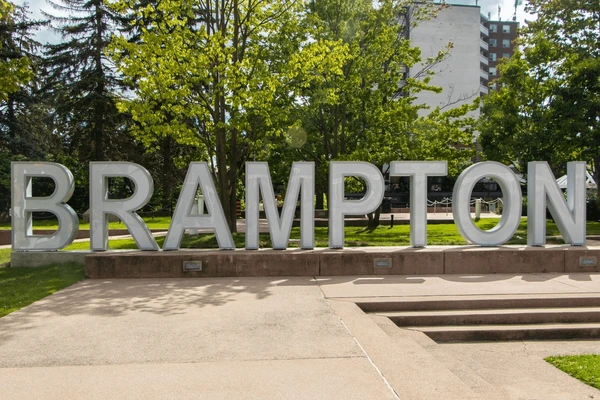
Airbnb Hosting in Brampton vs. Long-Term Rentals: Which is More Profitable?

Airbnb Hosting in Brampton vs. Long-Term Rentals: Which is More Profitable?

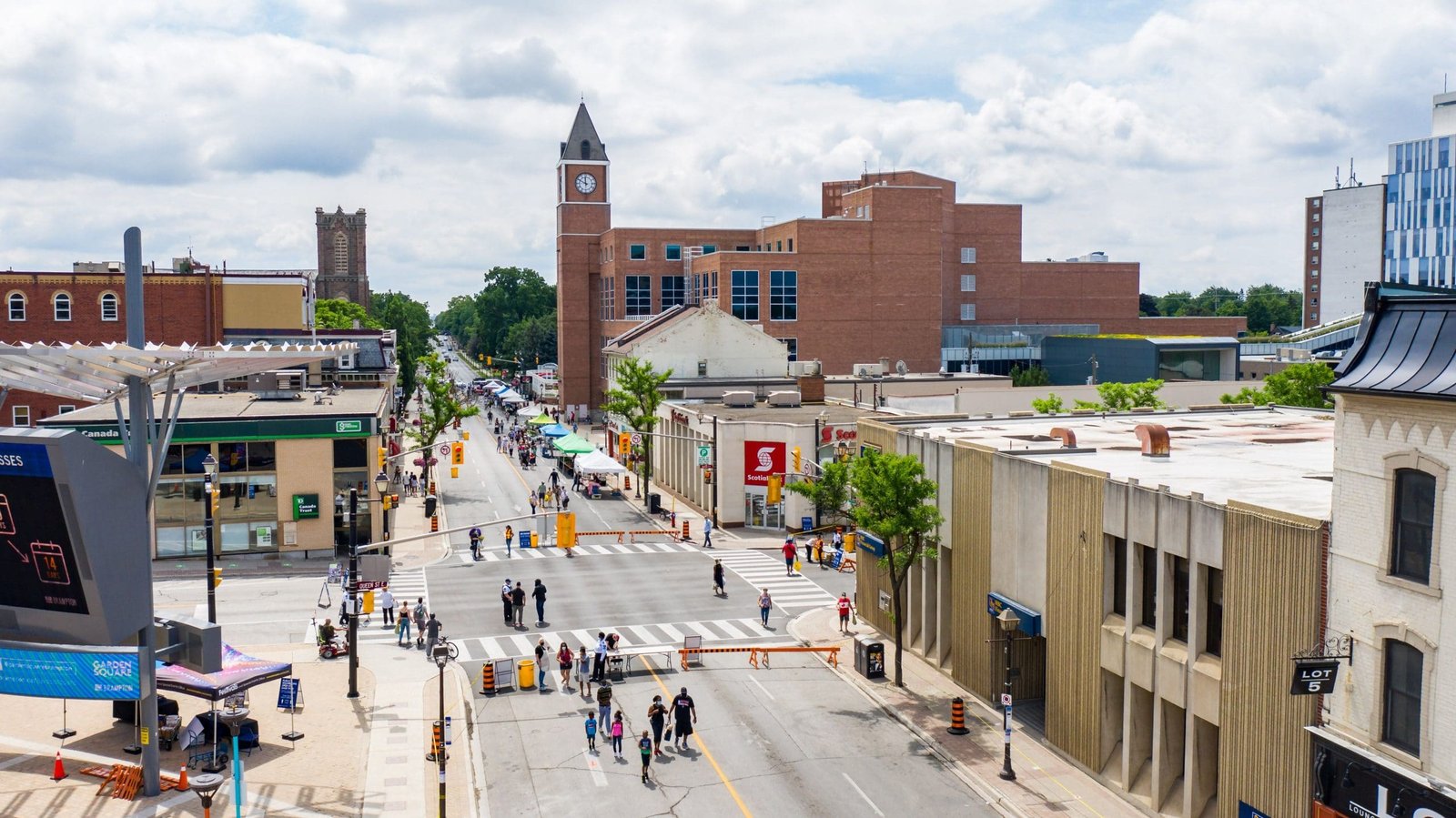
If you own a property in Brampton, you’ve likely thought about whether to rent it out long-term to a single tenant or list it as a short-term rental on platforms like Airbnb or Vrbo. Both options come with advantages, challenges, and income potential. But when it comes to profitability, which strategy works best for Brampton property owners?

Let’s break it down.

1. Understanding the Market in Brampton

Long-Term Rentals: Brampton has a strong demand for long-term housing, fueled by population growth, students, and new immigrants. Vacancy rates remain low, making it easy to find reliable tenants.

Short-Term Rentals (Airbnb): With proximity to Toronto Pearson Airport, family-oriented tourism, and business travel demand, Brampton is becoming a hotspot for Airbnb hosting—especially for properties offering free parking, spacious layouts, and family-friendly amenities

2. Income Potential

Airbnb (Short-Term):

      • Average nightly rates in Brampton range between $100–$180, depending on location, size, and amenities.

      • A well-managed 2-bedroom property could earn $3,000–$4,500 per month if booked consistently.

      • Higher income potential during peak seasons (summer, holidays, local events).

      • Long-Term Rentals:

        • A similar 2-bedroom unit in Brampton typically rents for $2,000–$2,400 per month.

        • Predictable, steady income without the need for frequent turnovers.

3. Flexibility for Property Owners

Airbnb: You can block off dates for personal use, which is ideal if you occasionally need the property for family or friends.

Long-Term Rentals: Once you sign a lease, the property is locked in for the term—little flexibility until the lease ends.

4. Workload & Responsibilities

Airbnb: Requires ongoing guest communication, cleaning, check-ins/outs, and dynamic pricing adjustments. Can become a full-time job without professional management.

Long-Term Rentals: Fewer day-to-day responsibilities. Once the tenant is in place, landlords typically only handle maintenance and occasional issues.

5. Regulations & Taxes in Brampton

  • Airbnb: Brampton has specific short-term rental bylaws that require hosts to live in the property as their principal residence to legally operate. Non-compliance can result in fines. Hosts must also collect and remit HST.

  • Long-Term Rentals: Governed by Ontario’s Residential Tenancies Act (RTA), which gives tenants significant rights. Landlords cannot easily evict or raise rent beyond provincial guidelines.

6. Risk Factors

  • Airbnb: Risks include property damage, vacancies during slow months, and regulatory changes. However, Airbnb offers host protection insurance, and professional management can minimize risks.

  • Long-Term Rentals: Risks include problematic tenants, missed rent payments, and long eviction processes due to strong tenant protections in Ontario.

7. Which Is More Profitable for Brampton Owners?

  • Short-Term Rentals (Airbnb): Higher earning potential, especially for owners who can legally operate under Brampton’s STR bylaws. Best for those with strong property management in place.

  • Long-Term Rentals: Lower stress, steady income, and less exposure to bylaw restrictions. Best for owners seeking stability over maximizing profits.

Final Thoughts

If your goal is maximum profit and your property qualifies under Brampton’s short-term rental rules, Airbnb hosting is the clear winner—especially with professional management such as Stayfinity to handle the heavy lifting.

If you prefer stability and less involvement, a long-term rental is the safer bet.

For many property owners, the best solution is to consult with Stayfinity, an Brampton Airbnb property management company to evaluate your property’s potential, navigate local bylaws, and decide which rental strategy will bring you the most value.

👉 Thinking about maximizing your Brampton specializes in short-term rental management—handling everything from guest communication to cleaning and pricing—so you can enjoy passive income stress-free.

📞 Contact us today for a free consultation and see how hands-off hosting can work for you.

Airbnb Regulations in Niagara-on-the-Lake: What Every Host Needs to Know

Airbnb Regulations in Niagara-on-the-Lake: What Every Host Needs to Know

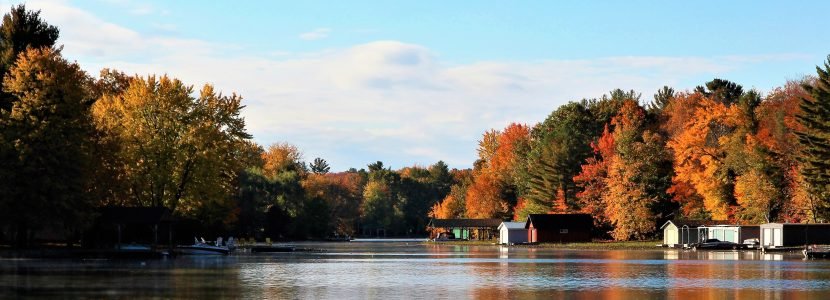
How to make your cottage profitable year-round

Niagara-on-the-Lake is one of Ontario’s most popular destinations, attracting visitors from around the world for its wine country, historic charm, Shaw Festival, and beautiful landscapes. It’s no surprise that many property owners see Airbnb and short-term rentals as a profitable opportunity here.

But before you list your property, it’s important to understand that Niagara-on-the-Lake has strict regulations for short-term rentals (STRs). Failing to comply can lead to hefty fines and even loss of your rental license.

This guide will walk you through the key rules and requirements every host needs to know.

1. Business License Requirement

  • To operate an Airbnb in Niagara-on-the-Lake, you must apply for a Short-Term Rental (STR) Business License from the Town. This license must be renewed annually.

    The process typically requires:

    • Proof of ownership or permission to rent.

    • A completed application form and fees.

    • Passing safety and building inspections.

    👉 Without a license, you cannot legally rent your property short-term.

2. Types of Short-Term Rentals Allowed

  • Niagara-on-the-Lake categorizes STRs into different types:

    • Bed & Breakfast (Owner-Occupied): You live in the home and rent out guest rooms.

    • Vacation Rental (Non-Owner-Occupied): The entire home is rented out to guests.

    • Cottage Rentals: Seasonal properties used as short-term accommodations.

    Each category comes with its own restrictions and requirements.

3. Zoning and Location Restrictions

  • Not every property in Niagara-on-the-Lake qualifies for short-term rental use. Zoning bylaws restrict STRs to certain areas to protect residential neighborhoods.

    For example:

    • Vacation rentals may only be allowed in specific tourist or commercial zones.

    • Bed & breakfasts are more widely permitted but still regulated.

    👉 Before applying, hosts must confirm that their property is in a zone where STRs are allowed.

4. Safety Standards and Inspections

  • All licensed STRs must meet safety and property standards, including:

    • Working smoke alarms and carbon monoxide detectors.

    • Clearly posted emergency exit plans.

    • Fire extinguishers on site.

    • Adequate parking for guests.

    The Town requires inspections before issuing or renewing a license.

5. Occupancy Limits

Airbnb hosts must follow strict occupancy limits based on the number of bedrooms and property size. These rules are designed to prevent overcrowding and reduce neighborhood disturbances.

6. Taxes and Fees

Hosts in Niagara-on-the-Lake must collect and remit applicable taxes:

  • Municipal Accommodation Tax (MAT): Usually charged per night to guests.

  • HST (Harmonized Sales Tax): Required by the CRA if your revenue exceeds the threshold.

Failure to remit these taxes properly can lead to penalties.

7. Penalties for Non-Compliance

The Town actively enforces its Airbnb rules. Operating without a license—or breaking occupancy, zoning, or safety rules—can lead to:

  • Fines of thousands of dollars.

  • Revocation of your rental license.

  • Legal action for repeat offenders.

8. How Property Management Helps Hosts Stay Compliant

Managing an Airbnb in Niagara-on-the-Lake involves more than just welcoming guests. A professional property management company can:

  • Handle your license application and renewals.

  • Ensure your property meets all safety standards.

  • Keep track of zoning, occupancy, and tax rules.

  • Protect you from costly mistakes and fines.

Final Thoughts

Niagara-on-the-Lake is an incredible market for Airbnb hosts, but it comes with strict regulations. If you want to earn consistent income and avoid compliance headaches, make sure you understand the rules—or partner with Stayfinity, an Airbnb property management company that does.

That way, you can focus on enjoying the benefits of your investment while staying fully compliant with local laws.

👉 Thinking about maximizing your Niagara-on-the-Lake property income? Stayfinity specializes in short-term rental management—handling everything from guest communication to cleaning and pricing—so you can enjoy passive income stress-free.

📞 Contact us today for a free consultation and see how hands-off hosting can work for you.

Let Stayfinity Handle It All

Effortless Airbnb Hosting, Exceptional Guest Experiences

Please enable JavaScript in your browser to complete this form.