How Seasonality Affects Airbnb Revenue (And How Stayfinity Solves It)

How Seasonality Affects Airbnb Revenue (And How Stayfinity Solves It)

Seasonality is one of the most misunderstood—and most expensive—factors affecting Airbnb revenue. Many property owners assume slow seasons are unavoidable. In reality, poor seasonal strategy, not demand, is what causes revenue drops.

At Stayfinity, we treat seasonality as a revenue lever, not a limitation.

This guide explains:

  • How seasonality actually impacts Airbnb performance

  • Why most hosts lose money during off-peak periods

  • How professional Airbnb management turns low seasons into profit opportunities

What Is Seasonality in Airbnb Hosting?

Seasonality refers to predictable fluctuations in demand, pricing, and occupancy based on:

  • Weather patterns

  • Tourism cycles

  • Events and festivals

  • School holidays

  • Corporate travel trends

  • Local regulations

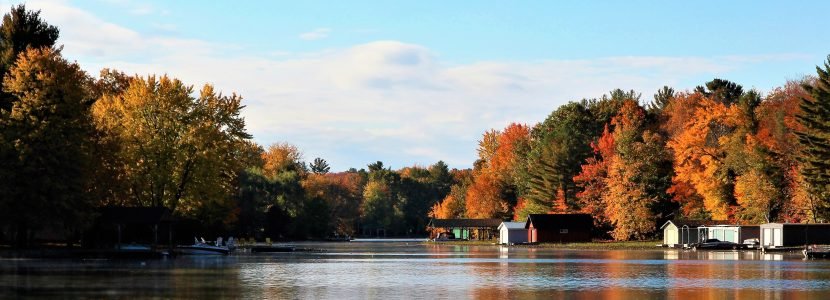
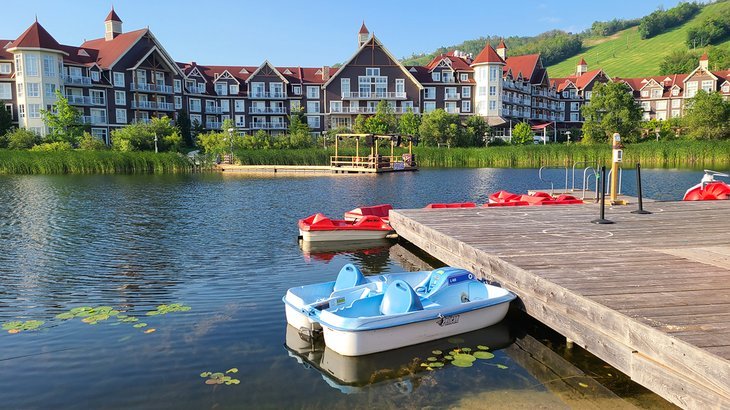
Every market—Toronto, Niagara Falls, Muskoka, Blue Mountain—has multiple micro-seasons, not just “busy” and “slow.”

❌ The biggest mistake hosts make:
Using static pricing year-round.

How Seasonality Directly Impacts Airbnb Revenue

1. Occupancy Rate Volatility

During peak seasons, poorly managed listings still book.
During off-peak seasons, only optimized listings survive.

Without professional management:

  • Listings fall in Airbnb search rankings

  • Booking gaps increase

  • Fixed costs stay the same

  • Cash flow becomes unstable


2. Pricing Inefficiency

Most hosts either:

  • Overprice during slow seasons → empty calendars

  • Underprice during peak seasons → lost revenue

Both destroy annual profitability.

Seasonal pricing is not about lowering rates—it’s about strategic rate positioning based on demand elasticity.


3. Algorithmic Visibility Loss

Airbnb’s algorithm favors listings that:

  • Maintain consistent booking velocity

  • Receive frequent 5-star reviews

  • Avoid calendar gaps

Poor seasonal strategy causes:

  • Lower ranking

  • Fewer impressions

  • Long-term revenue suppression

This effect compounds over time.


4. Higher Cancellation & Review Risk

In slow seasons, guests are:

  • More price-sensitive

  • More review-critical

  • More likely to cancel

Without professional guest management, off-season reviews can permanently damage peak-season earnings.

Seasonal Revenue Patterns by Market (Examples)

Toronto

  • Strong spring and summer tourism

  • Fall corporate travel spike

  • Winter leisure slowdown (except holidays & events)

Niagara Falls

  • Peak: Late spring to early fall

  • Off-season still viable with experience-driven positioning

Muskoka

  • Highly seasonal—but premium demand exists year-round with correct targeting

Blue Mountain

  • Dual-peak market (winter sports + summer travel)

  • Requires advanced demand forecasting

👉 Each market requires a different seasonal strategy.

Why Most Airbnb Hosts Lose Money During Off-Peak Seasons

  1. Flat nightly rates

  2. No demand forecasting

  3. No mid-stay or monthly optimization

  4. Poor listing refresh timing

  5. Lack of corporate, relocation, or extended-stay targeting

  6. No review velocity strategy

DIY hosting fails not because demand disappears—but because strategy does.

How Stayfinity Solves Seasonality (Our Proven System)

1. Dynamic Pricing Powered by Market Intelligence

Stayfinity uses:

  • Real-time demand data

  • Event-based pricing

  • Competitor benchmarking

  • Length-of-stay optimization

We adjust pricing daily, not seasonally.

✔ Maximize peak revenue
✔ Stabilize off-peak cash flow


2. Season-Specific Listing Optimization

Listings are not static.

We update:

  • Titles

  • Descriptions

  • Photos

  • Amenities positioning

Based on:

  • Seasonal guest intent

  • Search behavior shifts

  • Market competition

This keeps listings algorithmically fresh.


3. Off-Season Demand Repositioning

During slower periods, we pivot toward:

  • Corporate stays

  • Insurance placements

  • Medical travel

  • Relocations

  • Extended stays

This reduces vacancy without discounting.


4. Review Velocity Protection

Stayfinity actively manages:

  • Guest expectations

  • Communication timing

  • Service recovery

  • Review prompts

Even in low season, listings gain positive momentum, protecting peak-season rankings.


5. Multi-Season Revenue Planning (Not Monthly Guesswork)

We plan revenue:

  • Quarterly

  • Annually

  • By micro-season

This allows owners to:

  • Predict cash flow

  • Plan expenses

  • Scale portfolios confidently

The Result: Seasonality Becomes a Competitive Advantage

  • With Stayfinity:

    • Peak seasons are fully capitalized

    • Off-seasons remain profitable

    • Rankings stay high year-round

    • Revenue becomes predictable

    Most hosts react to seasonality.
    We engineer around it.

Why Professional Airbnb Management Matters More During Slow Seasons

Anyone can make money when demand is high.

The real difference between:

  • A hobby host

  • A professional operator

Is how revenue performs when demand drops.

Stayfinity exists to ensure your property never relies on luck or peak months.


Request a complimentary compliance and income review today.

Reach out to Stayfinity Team to learn more:

Website: www.stayfinity.co

Email: info@stayfinity.net

Call/Text/Whatsapp: +1 647-691-3272

“I’ve been working with Stayfinity and team for a couple years! Excellent company and a breeze to deal with. They have managed my property very well and handled any and all issues for me. Highly recommend their property management services. Don’t hesitate to use them..”
– Aaron, Homeowner

“Excellent team to work with, great professionals, prompt and helpful in managing the property issues”
– Ravinder, Investor
Is Airbnb Legal in Toronto? A 2026 Compliance Guide for Property Owners

Is Airbnb Legal in Toronto? A 2026 Compliance Guide for Property Owners

Short-term rentals continue to attract Toronto homeowners looking to increase rental income, but operating an Airbnb in the city is governed by strict municipal regulations. For property owners, understanding these rules is not optional—it is the foundation of a sustainable and profitable short-term rental strategy.

This 2026 compliance-focused guide explains how Airbnb legality works in Toronto, what property owners must do to remain compliant, and how a professional Airbnb management company like Stayfinity helps owners operate legally while maximizing returns.

Is Airbnb Allowed in Toronto in 2026?

Yes, Airbnb is permitted in Toronto—but only under clearly defined conditions.

The City of Toronto allows short-term rentals exclusively within a host’s principal residence. Properties that do not meet this requirement are not legally eligible for Airbnb or other short-term rental platforms.

Toronto actively enforces these regulations, and non-compliance can lead to fines, delisting, and long-term restrictions.

Understanding Toronto’s Principal Residence Rule

To legally operate a short-term rental in Toronto, the property must qualify as your principal residence.

This means:

  • You live at the property for most of the calendar year

  • The address appears on official documentation such as ID, tax records, or utility bills

  • The property is not used solely as an investment or secondary residence

What Typically Qualifies

  • A condo or house you primarily live in

  • A basement apartment or secondary unit within your main home

  • A portion of your residence rented while you remain on-site

What Does Not Qualify

  • Standalone investment properties

  • Multiple Airbnb listings under one owner

  • Vacant properties or short-term-only units

Short-Term Rental Registration Requirements in Toronto

All Airbnb hosts in Toronto must register with the city and renew their registration annually.

Registration Includes:

  • Proof of principal residence status

  • Government-issued identification

  • Payment of the city’s registration fee

  • Accurate host contact information

Once approved, the city issues a Short-Term Rental Registration Number, which must be clearly displayed on:

  • Airbnb listings

  • Any digital or promotional rental advertising

Listings without valid registration numbers are subject to removal.


Rental Night Limits and Operating Rules

Toronto’s bylaws distinguish between renting part of your home and renting the entire residence.

  • Partial-home rentals: No annual night limit

  • Entire-home rentals: Maximum of 180 nights per year

Additional compliance requirements include:

  • Adhering to noise, waste, and nuisance bylaws

  • Meeting property safety and maintenance standards

  • Complying with condo board or HOA regulations where applicable


Penalties for Violating Toronto Airbnb Bylaws

The City of Toronto maintains an active enforcement program for short-term rentals.

Property owners who fail to comply may face:

  • Financial penalties of up to $100,000 per violation

  • Immediate listing suspension or removal

  • Loss of registration eligibility

  • Legal proceedings for repeat or serious offences

Many violations occur due to misunderstanding the rules or relying on outdated information.

How Stayfinity's Airbnb Management Helps Toronto Property Owners Stay Compliant

Managing Airbnb compliance in Toronto requires constant attention to regulatory details. Stayfinity, a professional Airbnb management company, supports property owners by ensuring their short-term rentals operate within legal boundaries.

Our compliance-focused services include:

  • Registration setup and annual renewals

  • Principal residence documentation support

  • Accurate and compliant listing creation

  • Guest screening and noise monitoring

  • Coordination with condo boards and city requirements

This approach reduces risk while allowing owners to benefit from short-term rental income.

Is Airbnb Still Profitable for Toronto Property Owners?

Yes—when structured correctly.

Compliant, professionally managed Airbnbs often outperform traditional rentals due to:

  • Market-driven pricing strategies

  • Higher-quality listings and visibility

  • Strong guest satisfaction and repeat bookings

  • Reduced operational and legal risk

The key to success is aligning legal compliance with professional management expertise.

Key Takeaways for Toronto Property Owners

  • Airbnb remains a viable income strategy in Toronto for homeowners who meet principal residence requirements and follow city regulations. Understanding the rules, registering correctly, and maintaining compliance are essential to protecting your investment.

    For property owners seeking a hands-off, legally compliant Airbnb solution, professional management provides clarity, protection, and performance.

Considering Airbnb management in Toronto?

Stayfinity helps property owners navigate regulations, optimize revenue, and operate with confidence.

Request a complimentary compliance and income review today.

Reach out to Stayfinity Team to learn more:

Website: www.stayfinity.co

Email: info@stayfinity.net

Call/Text/Whatsapp: +1 647-691-3272

“I’ve been working with Stayfinity and team for a couple years! Excellent company and a breeze to deal with. They have managed my property very well and handled any and all issues for me. Highly recommend their property management services. Don’t hesitate to use them..”
– Aaron, Homeowner

“Excellent team to work with, great professionals, prompt and helpful in managing the property issues”
– Ravinder, Investor

Self-Managing vs Hiring an Airbnb Property Manager in Windsor: What’s Worth It?

Self-Managing vs Hiring an Airbnb Property Manager in Windsor: What’s Worth It?

Windsor, Ontario has quietly become a strong short-term rental market thanks to its proximity to Detroit, steady corporate travel, healthcare demand, and year-round events. As more homeowners list their properties on Airbnb, one key question keeps coming up:

Should you self-manage your Airbnb in Windsor, or hire a professional Airbnb property manager?

This guide breaks down the true costs, time commitment, revenue potential, and risks of both options—so you can make an informed decision based on your goals.

What Does Self-Managing an Airbnb in Windsor Involve?

Self-managing means handling every operational detail yourself. While it may appear cost-effective at first, the workload adds up quickly.

Key responsibilities include:

  • Responding to guest messages 24/7

  • Managing bookings, cancellations, and check-ins

  • Setting competitive nightly rates for Windsor’s market

  • Coordinating cleanings and restocking supplies

  • Handling maintenance issues and emergencies

  • Ensuring compliance with Windsor’s short-term rental bylaws

Many first-time hosts underestimate the time sensitivity of Airbnb. Delayed responses, pricing errors, or inconsistent cleaning can lead to poor reviews and reduced visibility on the platform.

Pros and Cons of Self-Managing Your Airbnb

Pros:

  • No management fees

  • Full control over guest selection and pricing

  • Direct hands-on involvement

Cons:

  • Time-intensive, especially for working professionals

  • Higher risk of negative reviews

  • Missed revenue due to improper pricing

  • Stress during guest issues and emergencies

  • Limited scalability if you own multiple properties

Self-management may work for homeowners living nearby with flexible schedules—but it becomes challenging as demand increases.

What Does a Professional Airbnb Property Manager in Windsor Do?

A professional Airbnb management company handles end-to-end operations while focusing on maximizing your rental income.

Typical services include:

  • Professional listing creation and SEO-optimized descriptions

  • Dynamic pricing based on Windsor demand and seasonality

  • 24/7 guest communication and screening

  • Cleaning coordination and quality control

  • Maintenance and emergency handling

  • Review management and reputation building

  • Compliance guidance for Windsor short-term rental rules

Instead of reacting to issues, professional managers operate proactively to protect both revenue and property condition.

Pros and Cons of Hiring an Airbnb Property Manager

Pros:

  • Higher occupancy and nightly rates

  • Professional guest experience and 5-star reviews

  • No day-to-day involvement required

  • Reduced risk of costly mistakes

  • Scalable for multiple properties

Cons:

  • Management fee (typically a percentage of revenue)

  • Less direct control over daily operations

For many Windsor hosts, the increase in earnings outweighs the management cost.

Income Comparison: Self-Managed vs Professionally Managed Airbnb in Windsor

While exact numbers vary by property and location, professionally managed Airbnbs in Windsor often generate 20–40% higher net revenue due to:

  • Optimized pricing strategies

  • Faster response times

  • Better reviews and higher search ranking

  • Fewer vacancy gaps

Self-managed listings commonly underperform due to static pricing and slower guest handling—especially during peak seasons and local events.

Which Option Is Right for You?

  • Self-management may suit you if:

    • You live close to the property

    • You have significant free time

    • You enjoy hospitality and operations

    Professional management is ideal if:

    • You want passive income

    • You live out of town

    • You own multiple properties

    • You want to maximize revenue with minimal effort

Final Verdict: Is Hiring an Airbnb Property Manager in Windsor Worth It?

For most Windsor homeowners, professional Airbnb management is a strategic investment, not an expense. It reduces stress, protects your asset, and unlocks higher earning potential—without sacrificing your time.

If your goal is consistent income, strong reviews, and hands-off ownership, hiring a local Airbnb property manager in Windsor, Ontario is often the smarter long-term choice.

Looking for Airbnb Management in Windsor?

If you’re considering professional Airbnb management in Windsor and want to know how much your property could earn, Stayfinity can provide a data-backed income estimate and handle everything from setup to guest check-out. 

Reach out to Stayfinity Team to learn more:

Website: www.stayfinity.co

Email: info@stayfinity.net

Phone/Text/Whatsapp: +1 647-691-3272

“I’ve been working with Stayfinity and team for a couple years! Excellent company and a breeze to deal with. They have managed my property very well and handled any and all issues for me. Highly recommend their property management services. Don’t hesitate to use them..”
– Aaron, Homeowner

“Excellent team to work with, great professionals, prompt and helpful in managing the property issues”
– Ravinder, Investor
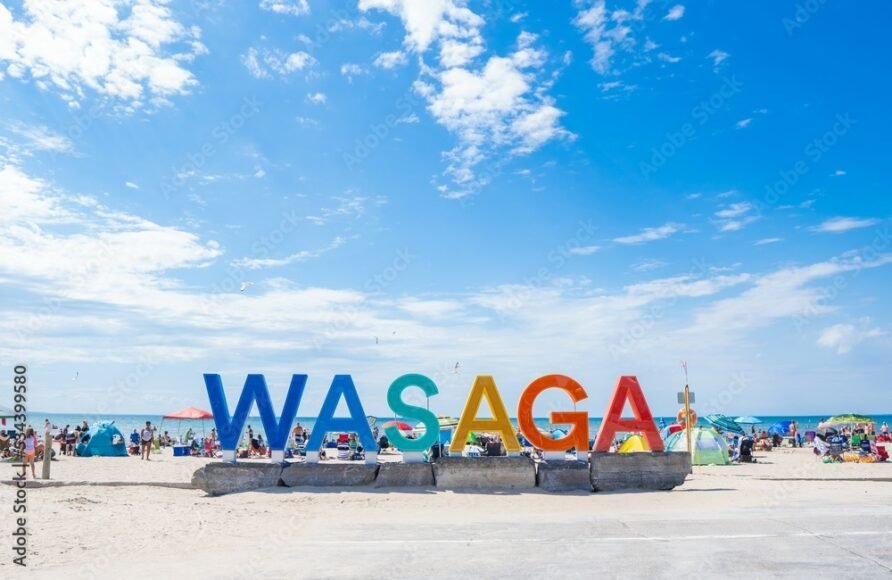
Wasaga Beach Airbnb Rules & Licensing: What Property Owners Must Know

Wasaga Beach Airbnb Rules & Licensing: What Property Owners Must Know

Operating an Airbnb or short-term rental in Wasaga Beach can be highly profitable—but only when done correctly. Municipal regulations, licensing requirements, and enforcement have become increasingly strict, and non-compliance can result in fines, license suspension, or forced shutdowns.

This guide outlines the key rules and responsibilities Wasaga Beach property owners must understand before listing their home as a short-term rental.

Why Short-Term Rental Rules Matter in Wasaga Beach

Wasaga Beach is one of Ontario’s busiest seasonal tourism destinations. To balance tourism with community concerns, the municipality has implemented clear short-term rental (STR) regulations focused on:

  • Neighbourhood safety and noise control

  • Parking management during peak summer months

  • Fire safety and occupancy limits

  • Accountability for property owners

Ignoring these rules does not just affect your listing—it can directly impact your income and long-term ability to operate.

Short-Term Rental Licensing Requirements

Most short-term rentals in Wasaga Beach require a municipal STR license before they can be legally advertised or operated.

Typical licensing requirements include:

  • A completed STR license application

  • Proof of ownership or authorization to rent

  • Government-issued identification

  • Proof of insurance covering short-term rental use

  • Fire safety documentation (smoke alarms, carbon monoxide detectors, fire extinguishers)

  • Floor plans and occupancy details

Licenses are generally issued for a fixed term and must be renewed annually. Operating without a valid license can result in immediate penalties.

Zoning and Property Eligibility

Not every property in Wasaga Beach is eligible for short-term rental use. Zoning bylaws may restrict STRs based on:

  • Property type (single-family home, condo, townhouse)

  • Location within specific residential zones

  • Primary residence vs non-owner-occupied properties

Condominiums and homeowner associations may also impose additional restrictions, even if municipal bylaws allow short-term rentals. Owners are responsible for understanding both municipal and private regulations.

Occupancy Limits and Guest Capacity

These limits are typically based on:

  • Number of bedrooms

  • Size of the dwelling

  • Available parking spaces

Exceeding permitted occupancy is one of the most common violations and often leads to complaints from neighbours. Professional management helps ensure guest compliance and proper screening.

Parking Regulations

Parking is a major enforcement focus, especially during summer months.

Property owners must:

  • Provide adequate on-site parking

  • Clearly communicate parking rules to guests

  • Ensure vehicles do not block streets, sidewalks, or neighbouring driveways

Improper parking can result in tickets, towing, or fines that may be charged back to the property owner.

Noise, Nuisance, and Good Neighbour Policies

  • Wasaga Beach takes noise complaints seriously. Short-term rental owners are expected to actively manage guest behaviour.

    Key expectations include:

    • Observing municipal quiet hours

    • Preventing parties or large gatherings

    • Responding promptly to complaints

    Many successful operators use:

    • Noise monitoring systems

    • Strict house rules

    • Immediate response protocols

    Repeated nuisance complaints can lead to license suspension or revocation.

Fire Safety and Property Standards

Fire and building safety compliance is mandatory.

Typical requirements include:

  • Working smoke and carbon monoxide alarms

  • Fire extinguishers on each level

  • Clear emergency exit information

  • Compliance with Ontario Fire Code standards

Inspections may be required as part of the licensing or renewal process.

How Professional Airbnb Management like Stayfinity Helps You Stay Compliant

Navigating Wasaga Beach’s STR regulations can be complex and time-consuming. Professional vacation rental management helps by:

  • Stayfinity support owners on license applications and renewals

  • Ensuring zoning and bylaw compliance

  • Managing guest screening and house rules

  • Monitoring noise and parking issues

  • Coordinating inspections and safety requirements

For many owners, professional management is not just about convenience—it is about risk reduction and long-term income protection.

“I’ve been working with Stayfinity and team for a couple years! Excellent company and a breeze to deal with. They have managed my property very well and handled any and all issues for me. Highly recommend their property management services. Don’t hesitate to use them..”
– Aaron, Homeowner

“Excellent team to work with, great professionals, prompt and helpful in managing the property issues”
– Ravinder, Investor
Final Thoughts

Wasaga Beach remains a strong market for short-term rentals, but success depends on operating legally, responsibly, and professionally. Understanding local rules is essential, and staying compliant protects both your revenue and your reputation.


If you own a property in Wasaga Beach and want to ensure your Airbnb operates safely, legally, and profitably, working with an experienced property management company can make all the difference.


💡 If you’re ready to take your short-term rental earnings to the next level, Contact Stayfinity Team to get started now. Stayfinity can help you boost income, save time, and provide peace of mind.

Website: www.stayfinity.co

Contact: info@stayfinity.net / +1 647-691-3272

The Ultimate Blue Mountain Travel Guide: What Every Airbnb Guest Should Know

The Ultimate Blue Mountain Travel Guide: What Every Airbnb Guest Should Know

Planning a getaway to Blue Mountain, Ontario? Whether you’re visiting for the ski slopes, the lively Village, or a relaxing nature escape, this guide covers everything an Airbnb guest needs to know to make the most of their stay. From transportation tips to must-see attractions and seasonal highlights, consider this your go-to resource before checking in.

Why Blue Mountain is the Perfect Airbnb Destination

Blue Mountain is one of Ontario’s most visited year-round resorts, offering a mix of adventure, relaxation, and family-friendly fun. Guests love the area for:

  • World-class skiing and snowboarding

  • Scenic trails for hiking and biking

  • A vibrant pedestrian Village filled with shops, restaurants, and entertainment

  • A stunning lakeside beach minutes away

  • A huge range of Airbnb options—from condos to chalets

Whether you’re planning a romantic escape or a family vacation, Blue Mountain has something for every type of traveler.

Getting to Blue Mountain

Blue Mountain is located in the Town of The Blue Mountains, just outside Collingwood.

From Toronto: approx. 2 hours by car
Closest major airports: Toronto Pearson (YYZ), Billy Bishop (YTZ)

Tips for Airbnb guests:

  • Renting a car is recommended—public transit options are limited.

  • Parking in the Village can fill up quickly on weekends; check your Airbnb listing for on-site parking availability.

  • Winter travelers should have winter tires—roads can get slippery.

Choosing the Right Airbnb

Blue Mountain offers a wide variety of accommodations. When booking an Airbnb, consider:

1. Proximity to the Village

  • Staying in the Village gives you walkable access to restaurants, shops, and nightlife.

  • Just outside the Village (Snowbridge, Sierra Lane, Rivergrass, Chateau Ridge) provides quieter stays with free shuttle service.

2. Amenities That Matter

  • Hot tub or pool access

  • Ski-in/ski-out locations

  • Free shuttle service

  • Free parking

  • Washer/dryer (great for longer stays)

  • Pet-friendly options

3. Who You’re Traveling With

  • Families often prefer townhouse-style condos with kitchens.

  • Couples may enjoy cozy studio suites.

  • Large groups benefit from chalets with multiple bedrooms.

Best Places to Eat

Blue Mountain Village has something for everyone:

  • Firehall Pizza Co. – Family-friendly Italian dishes.

  • Northwinds Brewery – Craft beer and comfort food.

  • Magnone’s Italian Kitchen – Elevated Italian dining.

  • Royal Majesty Espresso Bar – Great for coffee and baked treats.

  • Cheezed – Gourmet grilled cheese (a fast guest-favorite).

Tip: Weekends get busy—make reservations when possible.

Best Time to Visit Blue Mountain

Every season brings its own charm:

  • Winter (Dec–March): Ski season, festive atmosphere

  • Spring (April–May): Peaceful, great deals on stays

  • Summer (June–August): Beach weather, mountain biking, events

  • Fall (Sept–Oct): Stunning autumn colours & mild temperatures

Tips for a Smooth Airbnb Stay

  • Contact your host ahead for check-in instructions.

  • Ask if early check-in/late checkout is available.

  • Confirm Wi-Fi speed if you plan to work remotely.

  • Check shuttle schedules if staying outside the Village.

  • Book popular activities early, especially on long weekends.

Shopping & Essentials for Airbnb Guests

Forgot something? You’ll find:

  • LCBO and Grocery Store in Collingwood (10 minutes away)

  • Village Market for quick essentials

  • Sporting goods for rentals or last-minute ski gear

  • Local boutiques for souvenirs and apparel

“I’ve been working with Stayfinity and team for a couple years! Excellent company and a breeze to deal with. They have managed my property very well and handled any and all issues for me. Highly recommend their property management services. Don’t hesitate to use them..”
– Aaron, Homeowner

“Excellent team to work with, great professionals, prompt and helpful in managing the property issues”
– Ravinder, Investor

Final Thoughts

Blue Mountain is one of Ontario’s favourite escape destinations for a reason. With exciting activities, beautiful scenery, and a range of cozy Airbnbs, it’s the perfect spot to relax, explore, and reconnect. Use this guide to plan an unforgettable stay—and enjoy everything Blue Mountain has to offer.

💡 If you’re ready to take your short-term rental earnings to the next level, Contact Stayfinity Team to get started now. Stayfinity can help you boost income, save time, and provide peace of mind.
Website: www.stayfinity.co

Contact: info@stayfinity.net / +1 647-691-3272

How to Maximize Your Airbnb Income in Toronto’s Competitive Market

How to Maximize Your Airbnb Income in Toronto’s Competitive Market

Toronto is one of Canada’s most profitable short-term rental markets, but with hundreds of listings across downtown condos, suburban homes, and luxury rentals, competition is fierce. As a property owner, the key to success is learning how to maximize your Airbnb income in Toronto while staying compliant with city regulations. Here’s a complete guide to boosting your profits and standing out from the crowd.

1. Understand Toronto’s Airbnb Rules and Regulations

Before you think about earnings, make sure your listing is 100% compliant with the City of Toronto’s short-term rental bylaws.

  • You can only rent out your principal residence (home-sharing).

  • You must register with the city and include your registration number in your listing.

  • Taxes such as the Municipal Accommodation Tax (MAT) apply.

👉 Compliance ensures you avoid hefty fines that can eat into your profits.

2. Set the Right Price with Dynamic Pricing

One of the biggest mistakes new hosts make is setting a fixed nightly rate. To maximize Airbnb income in Toronto, use dynamic pricing strategies that adjust based on demand.

  • Increase rates during peak times: TIFF, Caribana, Pride, and sports events.

  • Offer discounts for longer stays to secure consistent bookings.

  • Use pricing tools like Wheelhouse, Beyond Pricing, or Airbnb’s Smart Pricing.

3. Focus on High-Value Amenities

Toronto guests expect comfort and convenience. The right amenities can justify higher rates and better reviews.

  • High-speed Wi-Fi (a must for business and leisure travelers).

  • Parking (rare and valuable in downtown Toronto).

  • Fully equipped kitchen for long-term stays.

  • Workspace or desk for remote workers.

  • Pet-friendly policies (many guests travel with pets).

4. Invest in Professional Photography & Staging

In Toronto’s competitive Airbnb market, your listing photos are your first impression. Professionally staged and well-lit images can increase bookings by up to 40%. Highlight unique features such as:

  • A balcony with a CN Tower view.

  • Cozy basement apartments near Scarborough Bluffs.

  • Trendy lofts in Leslieville or The Junction.

5. Optimize Your Airbnb Listing for SEO

To rank higher in Airbnb search results, make your listing keyword-rich and guest-focused.

  • Use titles like: “Modern 2-Bedroom Condo Near CN Tower – Free Parking & Fast Wi-Fi.”

  • Include local keywords: Toronto condo, near Union Station, close to Yorkville.

  • Write a detailed description covering amenities, location highlights, and nearby attractions.

6. Deliver 5-Star Guest Experiences

Reviews drive bookings. To ensure repeat stays and higher nightly rates:

  • Offer 24/7 guest support or work with a property management company.

  • Provide local touches like a Toronto travel guidebook.

  • Maintain hotel-level cleanliness with professional cleaners.

7. Partner with a Professional Airbnb Management Company

If you don’t have time to manage bookings, guest communication, and turnovers, consider hiring an Airbnb property management company in Toronto. They can:

  • Handle guest messaging and check-ins.

  • Optimize your pricing strategy.

  • Keep your property in top shape.

  • Increase your occupancy and revenue.

“I’ve been working with Stayfinity and team for a couple years! Excellent company and a breeze to deal with. They have managed my property very well and handled any and all issues for me. Highly recommend their property management services. Don’t hesitate to use them..”
– Aaron, Homeowner

“Excellent team to work with, great professionals, prompt and helpful in managing the property issues”
– Ravinder, Investor

Final Thoughts

Maximizing your Airbnb income in Toronto comes down to three things: compliance, smart pricing, and unforgettable guest experiences. By optimizing your listing, offering in-demand amenities, and staying competitive, you can unlock higher profits while reducing stress.

💡 If you’re ready to take your short-term rental earnings to the next level, our Toronto Airbnb property management team can help you boost income, save time, and provide peace of mind.

The Power of Professional Airbnb Management in Niagara Falls

The Power of Professional Airbnb Management in Niagara Falls

Why Professional Airbnb Management Matters in Niagara Falls

Niagara Falls is one of the most visited tourist destinations in North America, attracting millions of visitors each year. From the breathtaking natural wonder itself to Clifton Hill, the Niagara Parkway, and nearby wine country, the city offers something for every traveler. This steady flow of domestic and international guests has made Niagara Falls a hotspot for Airbnb and short-term rental investments.

But while owning a rental property in Niagara Falls is full of potential, managing it successfully is another story. From marketing your listing to handling guest communication and maintaining hotel-level standards, running an Airbnb can feel like a full-time job. That’s where professional Airbnb property management such as STAYFINITY makes all the difference.

1. Maximizing Occupancy Rates Year-Round

Niagara Falls sees peak demand in summer, but a skilled property manager knows how to keep your unit booked even during slower months. Through dynamic pricing strategies, calendar optimization, and marketing, they can ensure your property attracts steady bookings all year.

2. Expert Pricing Strategies

Pricing in Niagara Falls fluctuates greatly depending on the season, events, and even weather. Stayfinity uses market data and real-time insights to adjust rates, helping you capture maximum revenue during high-demand times (like summer festivals or New Year’s Eve fireworks) while remaining competitive during off-peak seasons.

3. Superior Guest Experience = Better Reviews

Guest satisfaction is the foundation of Airbnb success. Managers ensure:

  • Fast and professional guest communication

  • Hassle-free check-in and check-out

  • High-quality cleaning and turnover service

  • Personalized touches that earn 5-star reviews

More positive reviews mean higher search rankings on Airbnb and the ability to charge premium rates.

4. Professional Marketing and Photography

Stayfinity understands how to create listings that stand out in Niagara’s competitive market. They invest in professional photography, write compelling descriptions, and highlight your property’s proximity to key attractions like Clifton Hill, Niagara casinos, and wineries.

5. Stress-Free Operations for Owners

Managing an Airbnb can quickly become overwhelming. With property management, you no longer have to worry about:

  • Guest complaints

  • Last-minute cancellations

  • Cleaning schedules

  • Maintenance emergencies

Everything is handled for you, giving you peace of mind and passive income.

6. Higher ROI for Property Owners

The real power of professional management is in the numbers. By combining higher occupancy, better pricing, and consistent 5-star guest experiences, owners often see a significant boost in overall revenue compared to managing the property themselves.

“We travel often and didn’t want our home sitting empty. Thanks to Stayfinity, we earn money while away—without the stress.”
– Linda, Homeowner

“I trust them with my entire rental portfolio. They’re reliable, efficient, and always professional.”
– Alex B, Investor

Final Thoughts

Owning an Airbnb in Niagara Falls is a smart investment, but managing it the right way is key to maximizing profits. With professional Airbnb management like STAYFINTIY, you can take advantage of Niagara’s booming tourism industry while leaving the day-to-day stress to experts.


Whether you own a single condo near Clifton Hill or a multi-bedroom home close to the Falls, a property management company can help you achieve higher income, better guest satisfaction, and a truly hands-off hosting experience.

Maximizing Rental Income: Tips for Oakville Airbnb Hosts

Maximizing Rental Income: Tips for Oakville Airbnb Hosts

Oakville has quickly become one of the most desirable destinations in the Greater Toronto Area for Airbnb guests. With its charming lakeside views, upscale neighborhoods, golf courses, and close proximity to Toronto and Niagara Falls, Oakville attracts both business travelers and vacationers year-round. For property owners, this presents a unique opportunity to generate significant income through short-term rentals.


However, simply listing your property on Airbnb isn’t enough to guarantee strong returns. To truly maximize rental income, Oakville hosts need a thoughtful strategy that combines pricing optimization, guest experience, and professional property management. Here are 7 proven tips to help you boost your Airbnb revenue in Oakville.

1. Optimize Pricing With Market Data

Setting the right nightly rate is crucial. Pricing too high can reduce bookings, while pricing too low leaves money on the table. Use dynamic pricing tools or work with a property management company that tracks Oakville-specific market trends. Adjust your rates for weekends, holidays, and high-demand events like golf tournaments at Glen Abbey or Oakville Festivals of Film and Art.

2. Highlight Oakville’s Unique Appeal in Your Listing

Guests often choose Oakville as a quieter, upscale alternative to Toronto. Showcase what makes your property and location special: proximity to Lake Ontario, trails, Bronte Village, or easy GO Train access to Toronto. Use strong descriptions and professional photography to emphasize lifestyle, not just square footage.

3. Offer Hotel-Quality Amenities

Small upgrades can justify higher nightly rates. Oakville travelers often expect comfort and luxury, so consider:

  • High-quality linens and towels

  • Smart TVs with streaming services

  • High-speed Wi-Fi (especially for business travelers)

  • Coffee machines and stocked kitchens

  • Outdoor spaces with seating or BBQs

These touches can help your property stand out in a competitive market.

4. Focus on Guest Experience and Reviews

Positive reviews drive more bookings and allow you to charge higher rates. Always respond quickly to guest inquiries, provide a seamless check-in experience, and leave thoughtful extras like welcome baskets with local treats or wine from Niagara.

5. Adapt for Seasonality

  • Oakville has distinct travel seasons:

    • Summer: High demand for lakeside stays and family trips.

    • Fall: Guests come for foliage, wine tours, and cultural events.

    • Winter: Lower demand, but you can attract long-term stays or business travelers.

    • Spring: Families visiting Oakville schools or day trips to Toronto.

    Adjust your pricing, listing details, and even amenities (like offering cozy blankets in winter or patio sets in summer) to match seasonal demand.

6. Professional Photography Pays for Itself

  • Listings with professional photos earn up to 40% more bookings. Highlight natural light, unique design elements, and Oakville’s scenic surroundings. Lifestyle shots (like enjoying a coffee on the balcony overlooking Lake Ontario) can resonate with guests emotionally.

7. Consider Professional Property Management

  • Running an Airbnb can be time-consuming. Partnering with an Airbnb property management company in Oakville ensures your property is marketed effectively, maintained properly, and consistently earning at its highest potential. From guest communication to cleaning, a professional manager takes care of the details so you can focus on enjoying your income

Final Thoughts

Oakville offers one of the best opportunities for short-term rental income in the GTA, but success requires more than just putting your property online. By pricing strategically, investing in guest experience, and leveraging local expertise, you can maximize your rental income while keeping your property competitive in this growing market.

If you’re ready to unlock your property’s full earning potential, consider working with an Oakville Airbnb property management expert who understands the market inside and out, consult with Stayfinity, an Airbnb property management company. We will evaluate your property’s potential, navigate local bylaws, and decide which rental strategy will bring you the most value.

📞 Contact us today for a free consultation and see how hands-off hosting can work for you.

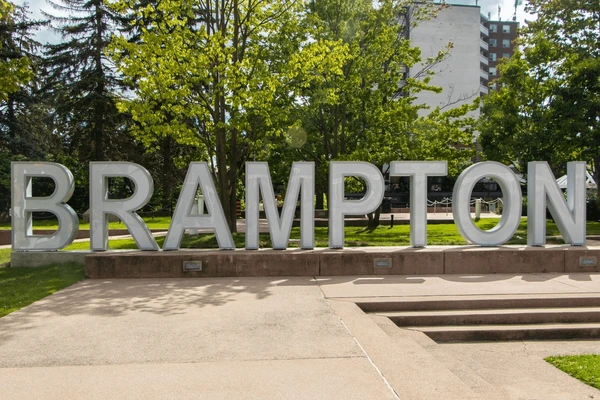
Airbnb Hosting in Brampton vs. Long-Term Rentals: Which is More Profitable?

Airbnb Hosting in Brampton vs. Long-Term Rentals: Which is More Profitable?

If you own a property in Brampton, you’ve likely thought about whether to rent it out long-term to a single tenant or list it as a short-term rental on platforms like Airbnb or Vrbo. Both options come with advantages, challenges, and income potential. But when it comes to profitability, which strategy works best for Brampton property owners?

Let’s break it down.

1. Understanding the Market in Brampton

Long-Term Rentals: Brampton has a strong demand for long-term housing, fueled by population growth, students, and new immigrants. Vacancy rates remain low, making it easy to find reliable tenants.

Short-Term Rentals (Airbnb): With proximity to Toronto Pearson Airport, family-oriented tourism, and business travel demand, Brampton is becoming a hotspot for Airbnb hosting—especially for properties offering free parking, spacious layouts, and family-friendly amenities

2. Income Potential

Airbnb (Short-Term):

      • Average nightly rates in Brampton range between $100–$180, depending on location, size, and amenities.

      • A well-managed 2-bedroom property could earn $3,000–$4,500 per month if booked consistently.

      • Higher income potential during peak seasons (summer, holidays, local events).

      • Long-Term Rentals:

        • A similar 2-bedroom unit in Brampton typically rents for $2,000–$2,400 per month.

        • Predictable, steady income without the need for frequent turnovers.

3. Flexibility for Property Owners

Airbnb: You can block off dates for personal use, which is ideal if you occasionally need the property for family or friends.

Long-Term Rentals: Once you sign a lease, the property is locked in for the term—little flexibility until the lease ends.

4. Workload & Responsibilities

Airbnb: Requires ongoing guest communication, cleaning, check-ins/outs, and dynamic pricing adjustments. Can become a full-time job without professional management.

Long-Term Rentals: Fewer day-to-day responsibilities. Once the tenant is in place, landlords typically only handle maintenance and occasional issues.

5. Regulations & Taxes in Brampton

  • Airbnb: Brampton has specific short-term rental bylaws that require hosts to live in the property as their principal residence to legally operate. Non-compliance can result in fines. Hosts must also collect and remit HST.

  • Long-Term Rentals: Governed by Ontario’s Residential Tenancies Act (RTA), which gives tenants significant rights. Landlords cannot easily evict or raise rent beyond provincial guidelines.

6. Risk Factors

  • Airbnb: Risks include property damage, vacancies during slow months, and regulatory changes. However, Airbnb offers host protection insurance, and professional management can minimize risks.

  • Long-Term Rentals: Risks include problematic tenants, missed rent payments, and long eviction processes due to strong tenant protections in Ontario.

7. Which Is More Profitable for Brampton Owners?

  • Short-Term Rentals (Airbnb): Higher earning potential, especially for owners who can legally operate under Brampton’s STR bylaws. Best for those with strong property management in place.

  • Long-Term Rentals: Lower stress, steady income, and less exposure to bylaw restrictions. Best for owners seeking stability over maximizing profits.

Final Thoughts

If your goal is maximum profit and your property qualifies under Brampton’s short-term rental rules, Airbnb hosting is the clear winner—especially with professional management such as Stayfinity to handle the heavy lifting.

If you prefer stability and less involvement, a long-term rental is the safer bet.

For many property owners, the best solution is to consult with Stayfinity, an Brampton Airbnb property management company to evaluate your property’s potential, navigate local bylaws, and decide which rental strategy will bring you the most value.

👉 Thinking about maximizing your Brampton specializes in short-term rental management—handling everything from guest communication to cleaning and pricing—so you can enjoy passive income stress-free.

📞 Contact us today for a free consultation and see how hands-off hosting can work for you.

Airbnb Regulations in Niagara-on-the-Lake: What Every Host Needs to Know

Airbnb Regulations in Niagara-on-the-Lake: What Every Host Needs to Know

How to make your cottage profitable year-round

Niagara-on-the-Lake is one of Ontario’s most popular destinations, attracting visitors from around the world for its wine country, historic charm, Shaw Festival, and beautiful landscapes. It’s no surprise that many property owners see Airbnb and short-term rentals as a profitable opportunity here.

But before you list your property, it’s important to understand that Niagara-on-the-Lake has strict regulations for short-term rentals (STRs). Failing to comply can lead to hefty fines and even loss of your rental license.

This guide will walk you through the key rules and requirements every host needs to know.

1. Business License Requirement

  • To operate an Airbnb in Niagara-on-the-Lake, you must apply for a Short-Term Rental (STR) Business License from the Town. This license must be renewed annually.

    The process typically requires:

    • Proof of ownership or permission to rent.

    • A completed application form and fees.

    • Passing safety and building inspections.

    👉 Without a license, you cannot legally rent your property short-term.

2. Types of Short-Term Rentals Allowed

  • Niagara-on-the-Lake categorizes STRs into different types:

    • Bed & Breakfast (Owner-Occupied): You live in the home and rent out guest rooms.

    • Vacation Rental (Non-Owner-Occupied): The entire home is rented out to guests.

    • Cottage Rentals: Seasonal properties used as short-term accommodations.

    Each category comes with its own restrictions and requirements.

3. Zoning and Location Restrictions

  • Not every property in Niagara-on-the-Lake qualifies for short-term rental use. Zoning bylaws restrict STRs to certain areas to protect residential neighborhoods.

    For example:

    • Vacation rentals may only be allowed in specific tourist or commercial zones.

    • Bed & breakfasts are more widely permitted but still regulated.

    👉 Before applying, hosts must confirm that their property is in a zone where STRs are allowed.

4. Safety Standards and Inspections

  • All licensed STRs must meet safety and property standards, including:

    • Working smoke alarms and carbon monoxide detectors.

    • Clearly posted emergency exit plans.

    • Fire extinguishers on site.

    • Adequate parking for guests.

    The Town requires inspections before issuing or renewing a license.

5. Occupancy Limits

Airbnb hosts must follow strict occupancy limits based on the number of bedrooms and property size. These rules are designed to prevent overcrowding and reduce neighborhood disturbances.

6. Taxes and Fees

Hosts in Niagara-on-the-Lake must collect and remit applicable taxes:

  • Municipal Accommodation Tax (MAT): Usually charged per night to guests.

  • HST (Harmonized Sales Tax): Required by the CRA if your revenue exceeds the threshold.

Failure to remit these taxes properly can lead to penalties.

7. Penalties for Non-Compliance

The Town actively enforces its Airbnb rules. Operating without a license—or breaking occupancy, zoning, or safety rules—can lead to:

  • Fines of thousands of dollars.

  • Revocation of your rental license.

  • Legal action for repeat offenders.

8. How Property Management Helps Hosts Stay Compliant

Managing an Airbnb in Niagara-on-the-Lake involves more than just welcoming guests. A professional property management company can:

  • Handle your license application and renewals.

  • Ensure your property meets all safety standards.

  • Keep track of zoning, occupancy, and tax rules.

  • Protect you from costly mistakes and fines.

Final Thoughts

Niagara-on-the-Lake is an incredible market for Airbnb hosts, but it comes with strict regulations. If you want to earn consistent income and avoid compliance headaches, make sure you understand the rules—or partner with Stayfinity, an Airbnb property management company that does.

That way, you can focus on enjoying the benefits of your investment while staying fully compliant with local laws.

👉 Thinking about maximizing your Niagara-on-the-Lake property income? Stayfinity specializes in short-term rental management—handling everything from guest communication to cleaning and pricing—so you can enjoy passive income stress-free.

📞 Contact us today for a free consultation and see how hands-off hosting can work for you.

Let Stayfinity Handle It All

Effortless Airbnb Hosting, Exceptional Guest Experiences

Please enable JavaScript in your browser to complete this form.