Airbnb now takes 15.5% from most Canadian hosts, and on October 29, Vrbo moves most hosts to a single 12% commission. Fees are changing on both platforms, and a lot of hosts are asking whether one channel is still enough.
Managing multiple channels brings in more bookings, but it also means handling extra calendars and guest messages; a balance many owners navigate on their own or with professional Airbnb management services.
This guide compares the main Airbnb alternatives Canada hosts can use alongside Airbnb or instead of it. It covers what each platform costs and which guests and properties it suits. It also explains what stays the same when you add a channel. Local registration, licensing and tax rules follow your property, so they apply on Airbnb and similar sites alike.
Fee figures reflect published rates as of October 20, 2026. Confirm your own rate in each host dashboard before you decide.
Each platform below reaches a different kind of guest. Fees are compared side by side in the table further down.
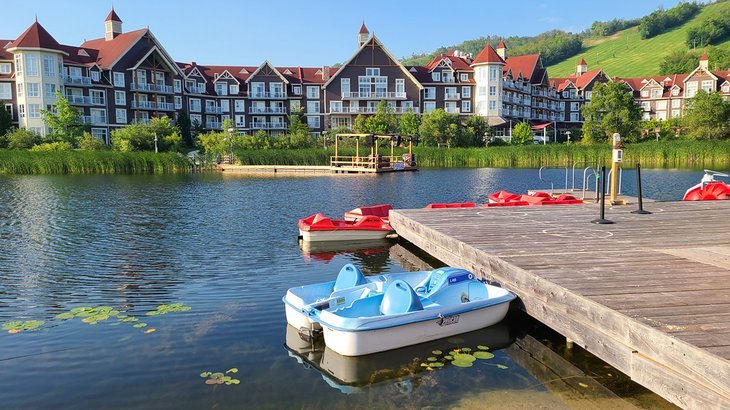
Vrbo lists entire homes only. That draws families and groups who want space, which suits cottages and larger family homes well. It does not accept private rooms or shared spaces. If you own a vacation property in cottage country, applying effective seasonal hosting strategies in Muskoka alongside Vrbo can help keep your bookings steady year-round.
The fee is changing. On October 29, Vrbo moves most hosts to a flat 12% commission that includes payment processing. Most pay-per-booking hosts pay about 8% today. Expedia Group’s announcement says the rate can run from 12% to 15% by region, and hosts on an annual subscription switch when their term ends.
Cottages, family homes and any whole-home listing aimed at groups.
Booking.com started off as a hotel booking website and currently offers vacation rental and apartment listings. Booking.com attracts many international customers who never bother to visit Airbnb and hence gets you more customers in busy tourist areas.
Commissions range between 10% and 25%, averaging around 15% globally. Commissions are charged even on extra charges like cleaning fees charged during booking. Service charge is not separately charged to the guest.
The company combines listing optimization with revenue management to help property owners operate more efficiently across multiple rental properties.
Urban apartments and holiday homes looking for international customers.
A direct booking site is your own page where guests book and pay you. There is no marketplace commission. You pay payment processing, which runs around 3%. You also keep the guest contact details, so a repeat stay costs you nothing to win.
The catch is traffic. Nobody finds your site unless you send them there. Most hosts use a marketplace to find first-time guests, then invite returning guests to book direct.
Hosts with repeat guests, a local following or several properties.
Mid-term platforms place guests for a month or longer. Flatio markets itself to Canadian owners as a mid-term and long-term alternative to Airbnb and similar sites. Longer stays usually bring a lower nightly rate, but you turn the property over far less often.
Check your local rules first. In Toronto, short-term rental rules apply to stays under 28 consecutive days. Confirm how your own municipality defines a short-term rental, and whether tenancy rules apply to a longer stay, before you switch.
Hosts in markets with tight licensing, or owners with an off-season gap to fill.
The specialty site connects with those guests who look for a specific type of accommodation.
Hipcamp provides listings for outdoor accommodations like cabins and glamping tents and has listings in all Canadian provinces. The listing is free, and Hipcamp gets a commission from you only when you make a booking. The hosts have to abide by the local bylaws, and some municipalities prohibit camping on private property.
Homestay is ideal for those hosts who rent out a room in the house they are living in. Plum Guide accepts only a few applications; hence there aren’t many properties listed here, but the guest pays high prices.
Off-grid cabins, farm stays, shared-home hosts, and design-led homes.
Three pressures push hosts to look at Airbnb alternatives for hosts.
Fees: Airbnb’s single host-only fee is 15.5% for most hosts. On a $1,000 stay, that is $155 off the top. Across the big platforms, commissions now sit between roughly 12% and 15.5%. A direct booking is the one channel where the cost drops to payment processing. Understanding these commission structures is essential when focusing on maximizing Airbnb income in Toronto and ensuring your multi-channel pricing strategy remains profitable.
One channel, one set of rules: A host who earns everything on Airbnb depends on one search ranking, one fee schedule and one policy team. A ranking drop or a suspended listing hits all of your income at once.
Registration mismatches: Cities with short-term rental regulations require that all the information about you matches in all listings. In Toronto, for example, the registration number should show up in all advertisements. The booking platform has to confirm the number and maintain records of the removed listings. A listing with an incorrect or missing number can be taken down. Each additional channel is another listing to keep updated.
Vrbo’s October 29 change puts the big platforms within a few points of each other. Rates below are published figures as of October 20, 2026, and your own rate may differ.
Platform | Host fee | Guest fee | Property type | Best for |
Airbnb | 15.5% host-only fee for most hosts | None shown separately | Entire homes, private rooms | All guest types |
Vrbo | 12% flat from Oct 29 (12% to 15% by region) | Traveller service fee applies | Entire homes only | Families and groups |
Booking.com | 10% to 25%, average about 15% | Generally none | Homes and apartments | International travellers |
Direct booking site | Payment processing, about 3% | None | Any | Repeat guests |
Hipcamp | Commission on bookings only, rate shown on payout statement | Varies | Outdoor stays | Cabins and glamping |
When you compare alternative Airbnb sites, look at the net payout and not only the headline rate. A 12% commission on a $1,000 stay costs $120, against $155 at Airbnb’s 15.5%. Vrbo guests may also pay a service fee, which can affect how competitive your price looks.
Google Vacation Rentals is not a booking site. It shows your listing in Google Search and Maps and sends the guest to a partner site to book. Google does not charge hosts to display a listing, but individual hosts need an approved software partner to appear.
No. Registration, licensing and tax rules follow your property, not the platform you list on.
In Toronto, a registration number issued by the City needs to be included in all advertisements. A 6% Municipal Accommodation Tax on accommodations is collected from guests, while the temporary 8.5% expired on August 1, 2026. Airbnb reports rental nights to the City. For the other platforms, please check if the accommodation tax is collected from the site itself.
Regulation, licensing, and taxes go with your property, not the platform where you list.
Other Ontario markets set their own terms. Niagara Falls short-term rental rules rely on a licensing system, and the Muskoka short-term rental rules carry their own permit and safety requirements.
Check your municipality’s rules before you add a new channel, and make sure each new listing carries the right details.
Double bookings happen when two calendars disagree. Most Airbnb alternatives Canada hosts try work best when every channel reads from one shared calendar.
There are two ways to build it. iCal links copy bookings between platforms, but they refresh on a schedule, often about once an hour. A guest can book the same night in that gap. A channel manager updates availability and rates across channels almost at once and puts all guest messages in one inbox.
How much you need depends on the size of your portfolio:
Whatever the size, copy your registration number onto each new listing the day you create it.
The right mix of channels depends on your property, your guests and how much time you want to spend. Adding Vrbo, Booking.com or a direct booking site can spread risk and protect your income. Each new channel also adds calendars, messages and compliance details to keep correct.
Stayfinity handles that work for owners across Ontario and Alberta. We list your property on Airbnb, Vrbo, Booking.com and Google Travel, keep calendars in sync, and help with short-term rental licensing so your registration details stay consistent on every listing. See how our Airbnb management services work, or read about Airbnb property management in Toronto.
Want to know what your property could earn across more channels? Request a free property consultation, and we will give you a data-driven income estimate.
The following are some of the top Airbnb alternatives for monthly or mid-term rental options: platforms that are designed to facilitate stays of at least 28 days, like Flatio, which is targeted towards Canadians. Both Airbnb and Vrbo will allow a longer stay on the condition that you have monthly rates in place. It is important to know how your city classifies a short-term rental.
Vrbo is better than Airbnb for some Canadian owners, mainly those renting entire homes to families and groups. Vrbo lists whole properties only, and its commission moves to a flat 12% on October 29, compared with Airbnb’s 15.5% host fee. Airbnb still reaches more guest types, so many owners list on both.
The site Booking.com fits perfectly for Canadian hosts who wish to accommodate international travellers, especially in highly competitive tourist destinations. The commission is 10% to 25%, with an average close to 15%. It also takes commissions from things like the cleaning fee. The host is able to attract people who may not even log into Airbnb.
Hosts can receive more direct bookings from creating their own booking website and requesting former guests to utilize the website. Collect guests’ emails upon their permission and provide guests with small incentives for making a reservation using the website after confirming platform-specific policies regarding contacting guests. The website can be added to Google Vacation Rentals through approved software partners.
You can list your vacation rental on both Airbnb and other websites at once, provided all calendars are synchronized. The Stayfinity website lists its properties on both Airbnb, Vrbo, Booking.com, and Google Travel, and synchronizes all calendars, which ensures there are no double bookings. Of course, each listing will have your local registration number.
The best Airbnb alternatives for monthly or mid-term rentals are platforms built for stays of 28 days or longer, such as Flatio, which markets itself to Canadian owners. Airbnb and Vrbo also accept long bookings if you set monthly pricing. Confirm how your municipality defines a short-term rental first, because Toronto’s rules apply to stays under 28 consecutive days.
Toronto hosts need the City-issued registration number on every advertisement, whatever platform the listing is on. Licensed platforms must verify the number, and a missing or wrong one can get a listing removed. If you want help keeping registration details consistent across channels, contact us for guidance.
Alternative Airbnb sites can be cheaper, depending on the platform. From October 29, Vrbo’s flat 12% commission is lower than Airbnb’s 15.5% for most hosts, though Vrbo guests may pay a service fee. Booking.com averages about 15%. A direct booking site costs the least at around 3% for payment processing, but you must bring your own traffic.